On January 23, 1935, an event unfolded that would forever change the way people enjoyed their favorite brews – the first sale of canned beer. This historic moment marked a significant milestone in the brewing industry, bringing convenience, portability, and a new era of packaging to beer enthusiasts around the world.

The story begins with the American Can Company and the Gottfried Krueger Brewing Company, both playing pivotal roles in the introduction of canned beer. The concept of canning beer was not an entirely new idea, as canned food had already gained popularity for its practicality and preservation benefits. However, the challenge lay in adapting the canning process to accommodate carbonated beverages like beer.

In the early 1930s, the American Can Company developed a can with a special lining that prevented the beer from reacting with the metal, preserving the taste and quality of the beverage. The Gottfried Krueger Brewing Company, based in Newark, New Jersey, became the first brewery to embrace this innovative packaging solution.

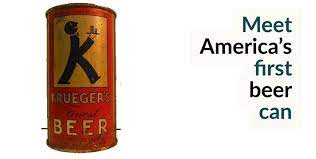
On that fateful day in January 1935, Krueger's Special Beer made its debut in cans, hitting the shelves of select stores in Richmond, Virginia. The reception was a mix of curiosity and skepticism from consumers, as the idea of beer in a can was still a novel concept. However, the convenience offered by the lightweight, easily stackable, and quick-chilling cans soon won over beer drinkers.

The canning of beer brought several advantages to both brewers and consumers. From a logistical standpoint, cans were more cost-effective to produce, easier to transport, and required less storage space compared to traditional glass bottles. Breweries could now reach a wider market, and consumers could enjoy their favorite brews in locations where bottles might be impractical or prohibited, such as parks and beaches.

Despite initial reservations about the impact of cans on beer flavor, the lining developed by the American Can Company proved effective in preserving the taste and preventing any metallic aftertaste. This reassured consumers and paved the way for the widespread adoption of canned beer.

The success of Krueger's Special Beer in cans encouraged other breweries to follow suit, and soon, the iconic "tinny" sound of cracking open a cold can of beer became synonymous with social gatherings, celebrations, and relaxation. The canned beer revolution continued to gain momentum, especially during the post-World War II period when aluminum cans replaced tin, making them even lighter and more easily recyclable.

As the years passed, advancements in canning technology, design, and materials further improved the overall beer-drinking experience. Today, canned beer is a ubiquitous presence in stores, bars, and events worldwide. Craft breweries, in particular, have embraced canned packaging, appreciating its ability to protect beer from light and oxygen, ensuring a fresher and more consistent product.

The first sale of canned beer on January 23, 1935, marked a transformative moment in the history of brewing, showcasing the industry's adaptability and commitment to meeting the evolving needs of consumers. From its humble beginnings in Richmond, Virginia, canned beer has become an integral part of beer culture, offering a convenient and portable way for people to savor their favorite brews wherever they go.