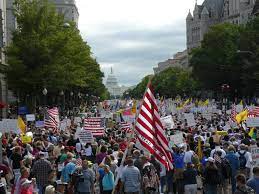
The year 2010 marked a significant moment in American political history with the emergence of the Tea Party movement, a grassroots conservative movement advocating for limited government, fiscal responsibility, and individual freedoms. At the forefront of this movement was the First National Tea Party Convention, held in Nashville, Tennessee, from February 4th to 6th, 2010. This convention served as a rallying point for Tea Party activists from across the United States, solidifying the movement's influence on the national political landscape.

The Tea Party movement emerged in response to growing concerns among many Americans about the expansion of government power, excessive government spending, and the perceived erosion of individual liberties. Fueled by frustration with the policies of the Obama administration and a desire to return to what they saw as the core principles of the American founding, Tea Party activists organized rallies, protests, and grassroots campaigns to promote their message.

The First National Tea Party Convention represented a watershed moment for the movement, providing a platform for Tea Party leaders and activists to come together, share ideas, and strategize for the future. The convention featured prominent conservative speakers, including former Alaska Governor Sarah Palin, who delivered the keynote address. Palin's presence at the convention underscored the Tea Party's growing influence within the Republican Party and its potential to shape the political landscape in the years to come.

One of the central themes of the convention was opposition to the policies of the Obama administration, particularly its healthcare reform efforts and its perceived expansion of government power. Tea Party activists voiced concerns about the growing national debt, the role of government in healthcare, and the impact of government regulations on individual freedoms. The convention served as a platform for these grievances to be aired and for Tea Party activists to mobilize in opposition to what they saw as government overreach.

The First National Tea Party Convention also highlighted the decentralized nature of the Tea Party movement, with various local and regional groups coming together under the broader umbrella of the movement. While the convention provided an opportunity for Tea Party activists to unite around shared goals and principles, it also underscored the diverse range of perspectives within the movement and the challenges of coordinating a cohesive political agenda.

In the years following the First National Tea Party Convention, the Tea Party movement continued to exert influence on American politics, shaping debates over issues such as government spending, healthcare reform, immigration, and taxation. While the movement faced criticism and controversy, particularly regarding allegations of extremism and racism, it also succeeded in galvanizing grassroots support and reshaping the Republican Party's agenda.

Overall, the First National Tea Party Convention in 2010 represented a defining moment for the Tea Party movement, solidifying its place in American politics and signaling its potential to shape the course of the nation in the years to come. Whether one agrees or disagrees with its principles and tactics, the Tea Party movement has undeniably left a lasting impact on the political landscape of the United States.