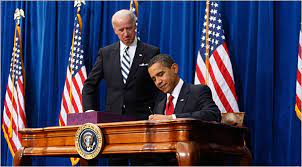
In 2009, against the backdrop of one of the most severe economic crises in recent history, the United States Senate approved the American Recovery and Reinvestment Act, commonly known as the Stimulus Package. This landmark legislation represented a bold and comprehensive response to the economic downturn that had gripped the nation, aiming to stimulate growth, create jobs, and provide relief to millions of Americans affected by the recession.

The roots of the Stimulus Package can be traced back to the financial crisis of 2008, which was triggered by the collapse of the housing market and the subsequent turmoil in the banking sector. The crisis led to a sharp decline in economic activity, soaring unemployment rates, and widespread hardship for families across the country. In response, then-President Barack Obama and his administration made economic recovery a top priority upon taking office in January 2009.

The American Recovery and Reinvestment Act, with a price tag of approximately $787 billion, was crafted as a multifaceted approach to jumpstart the economy and set it on a path to recovery. The legislation included a mix of tax cuts, infrastructure investments, direct aid to states and local governments, and funding for social welfare programs. Its key objectives were to create jobs, boost consumer spending, and restore confidence in the economy.

One of the central components of the Stimulus Package was its emphasis on infrastructure investment. The legislation allocated billions of dollars to repair and modernize roads, bridges, and public transportation systems, as well as to invest in renewable energy projects and broadband expansion. These investments not only created immediate job opportunities in construction and related industries but also laid the groundwork for long-term economic growth and competitiveness.

Another significant aspect of the Stimulus Package was its focus on providing assistance to individuals and families hit hardest by the recession. The legislation extended unemployment benefits, expanded access to healthcare through Medicaid, and provided direct cash payments to millions of Americans in the form of tax credits and rebates. These measures helped to alleviate financial strain and stabilize household finances during a period of economic uncertainty.

In addition to its domestic priorities, the Stimulus Package also included provisions aimed at addressing systemic weaknesses in the financial sector and preventing future crises. The legislation imposed stricter regulations on banks and financial institutions, established new oversight mechanisms, and provided funding for mortgage relief programs to help struggling homeowners avoid foreclosure.

The passage of the American Recovery and Reinvestment Act was not without controversy. Critics argued that the size and scope of the stimulus were excessive and would lead to unsustainable levels of government debt. Others questioned the effectiveness of certain spending measures and raised concerns about potential waste and abuse.

However, supporters of the Stimulus Package maintained that bold action was necessary to prevent a deeper and more protracted economic downturn. They pointed to the success of certain initiatives, such as the creation of millions of jobs in sectors like renewable energy and healthcare, as evidence of the legislation's positive impact.

In the years following its passage, the Stimulus Package continued to be a subject of debate and analysis among economists, policymakers, and the public. While opinions varied on its overall effectiveness, there was a consensus that the legislation played a crucial role in stabilizing the economy and laying the foundation for recovery in the aftermath of the Great Recession.