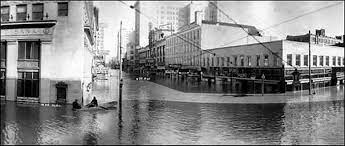
February 11, 1937, is etched into the annals of American history as a day of catastrophic flooding that ravaged the nation, particularly the Ohio River Valley. This natural disaster, often referred to as the Ohio River flood of 1937, stands as one of the most devastating floods in U.S. history, leaving a trail of destruction and human suffering in its wake.

The events leading up to February 11th were characterized by heavy rainfall and unrelenting precipitation, saturating the already swollen rivers and tributaries across the region. The combination of melting snow, frozen ground, and relentless downpours created a perfect storm for widespread flooding, overwhelming communities ill-prepared for the magnitude of the disaster.

As the waters continued to rise, levees were breached, and low-lying areas were submerged beneath the torrential currents. Towns and cities along the Ohio River, from Pittsburgh to Cairo, Illinois, bore the brunt of the flooding, with some areas experiencing water levels reaching over 20 feet above flood stage. Entire neighborhoods were engulfed, homes were swept away, and infrastructure was destroyed as the floodwaters mercilessly surged through the landscape.

The human toll of the Ohio River flood of 1937 was staggering. Tens of thousands of people were displaced from their homes, forced to seek refuge in makeshift shelters and rescue centers. The floodwaters claimed the lives of over 300 individuals and left countless others injured or missing. Families were torn apart, livelihoods were lost, and communities were left reeling from the devastation wrought by the deluge.

In the face of such widespread destruction, relief efforts were mobilized on an unprecedented scale. Government agencies, including the Red Cross and the National Guard, worked tirelessly to evacuate residents, provide emergency aid, and restore essential services. Volunteers from across the country joined the relief efforts, offering their assistance and support to those affected by the disaster.

The aftermath of the Ohio River flood of 1937 was marked by a long and arduous road to recovery. As the floodwaters receded, communities faced the daunting task of rebuilding their shattered lives and infrastructure. Homes needed to be rebuilt, roads repaired, and vital services restored. The economic impact of the disaster was profound, with losses totaling millions of dollars in property damage and lost revenue.

However, amidst the devastation, stories of resilience, solidarity, and heroism emerged. Neighbors banded together to support one another, strangers offered assistance to those in need, and communities rallied in the face of adversity. The spirit of resilience and determination that emerged in the wake of the flood served as a beacon of hope for those struggling to rebuild their lives.

In the decades since the Ohio River flood of 1937, efforts to mitigate the risk of similar disasters have been undertaken, including the construction of flood control infrastructure and improved emergency response measures. Yet, the memory of that fateful day serves as a poignant reminder of the awesome power of nature and the importance of preparedness in the face of natural disasters. February 11, 1937, will forever be remembered as a day when the mighty Ohio River unleashed its fury, leaving a lasting impact on the communities and people it touched.