The St. Valentine's Day Massacre remains one of the most infamous events in American criminal history, a chilling episode that epitomizes the ruthlessness and violence of the Prohibition-era gang wars. On February 14, 1929, in Chicago, Illinois, seven members of George "Bugs" Moran's North Side Gang were lined up against a garage wall and executed in cold blood. This brazen act of brutality shocked the nation and forever altered the public perception of organized crime.

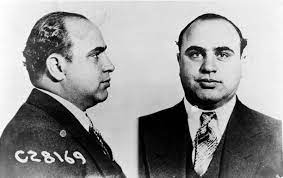
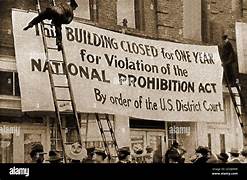
At the heart of the massacre was a bitter rivalry between two of Chicago's most powerful criminal organizations: the North Side Gang, led by Moran, and the South Side Italian gang, led by Al Capone. The conflict stemmed from control over the lucrative bootlegging and illicit alcohol trade during Prohibition, which had created vast fortunes for those willing to flout the law.

The events of that fateful day unfolded with calculated precision. Disguised as police officers, a group of gunmen entered the SMC Cartage Company garage on North Clark Street, a front for Moran's operations. Upon arrival, they ordered Moran's men to line up against the wall. Mistakenly believing that police were conducting a routine raid, the North Side Gang complied. However, the supposed officers were in fact associates of Al Capone, armed with Thompson submachine guns, shotguns, and handguns.

In a hail of bullets, Moran's men were mercilessly gunned down. The attackers left the scene quickly, leaving behind a gruesome tableau of bloodshed. Seven men lay dead or dying, their bodies riddled with bullets. The violence was so extreme that it shocked even the hardened residents of Chicago, who had grown accustomed to the brutality of the gang wars.

The St. Valentine's Day Massacre sent shockwaves across the nation and prompted calls for action against organized crime. Public outrage reached a fever pitch, leading to increased pressure on law enforcement to crack down on gang activity. Despite widespread speculation and suspicion, no one was ever convicted of the massacre. The lack of evidence and witnesses willing to testify, coupled with the fear of retaliation from powerful gangsters, hindered the investigation.

In the aftermath of the massacre, Al Capone's grip on Chicago's underworld tightened. With Moran's North Side Gang crippled by the loss of key members, Capone effectively solidified his dominance over the city's criminal enterprises. However, the brazenness of the attack also brought unwanted attention from law enforcement agencies determined to bring Capone and his associates to justice.

The St. Valentine's Day Massacre remains a haunting symbol of the violence and lawlessness that characterized the Prohibition era. It serves as a stark reminder of the human cost of organized crime and the lengths to which rival factions were willing to go in their pursuit of power and wealth. Nearly a century later, the massacre continues to capture the imagination of historians, criminologists, and the general public, ensuring that its dark legacy endures in the annals of American history.