The year 1933 was a pivotal moment in American history, marked by a severe banking crisis that shook the foundations of the nation's financial system. The Great Depression, which had plunged the United States into economic turmoil since the stock market crash of 1929, reached its nadir, precipitating widespread bank failures and a loss of public confidence in the banking sector.

The roots of the banking crisis can be traced back to a combination of factors, including reckless speculation, overextension of credit, and a lack of effective regulation. In the years leading up to 1933, banks had engaged in risky lending practices, fueling an unsustainable boom in the economy. When the stock market crashed in 1929, it triggered a chain reaction of bank runs and panicked withdrawals as depositors sought to retrieve their savings amid fears of further economic collapse.

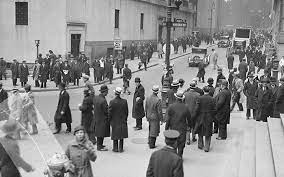
The situation reached a critical point in early 1933, as a wave of bank failures swept across the country. Hundreds of banks shut their doors, unable to meet the demands of depositors for cash withdrawals. The collapse of these institutions sent shockwaves through the financial system, exacerbating the already dire economic conditions facing millions of Americans.

President Franklin D. Roosevelt, who had assumed office in March 1933 amidst the depths of the crisis, moved swiftly to address the banking problems. In his first days in office, Roosevelt declared a national bank holiday, temporarily closing all banks to prevent further runs and stabilize the system. This bold action, known as the Emergency Banking Act, aimed to restore public confidence in the banking system and prevent a complete collapse of the economy.

During the bank holiday, Roosevelt's administration worked with Congress to craft comprehensive banking reform legislation. The result was the Glass-Steagall Act, which sought to reform the banking sector by separating commercial banking activities from investment banking and establishing federal deposit insurance to protect depositors' funds. The act also created the Federal Deposit Insurance Corporation (FDIC) to oversee and regulate the banking industry, providing a safety net for depositors and restoring faith in the stability of the financial system.

The passage of the Glass-Steagall Act marked a turning point in the banking crisis of 1933, providing much-needed reassurance to the American public and laying the groundwork for the recovery of the banking sector. With the backing of federal deposit insurance and stricter regulations, confidence gradually returned, and the panic subsided.

In addition to legislative reforms, Roosevelt's administration implemented a series of measures to stimulate economic growth and alleviate the suffering caused by the Great Depression. The New Deal programs aimed to create jobs, provide relief to the unemployed, and regulate financial markets to prevent future crises. While the effects of these policies were not immediate, they laid the foundation for a gradual economic recovery and set the stage for the post-World War II prosperity that would follow.

The banking problems of 1933 were a sobering reminder of the dangers of unregulated speculation and the fragility of the financial system. However, they also spurred meaningful reforms that helped to restore stability and confidence, paving the way for a more resilient and secure banking sector in the years to come.