In 2007, the United States initiated significant steps toward the development and deployment of its missile defense shield, a comprehensive system designed to protect against potential missile threats from hostile nations. This initiative marked a pivotal moment in global defense strategy, reflecting the evolving nature of warfare and the increasing importance of missile defense capabilities in the post-Cold War era.

The concept of a missile defense shield had been a subject of discussion and debate for decades, dating back to the early years of the Cold War. However, it gained renewed attention and urgency in the aftermath of the September 11, 2001, terrorist attacks, which highlighted the vulnerability of the United States to asymmetric threats, including the possibility of missile strikes from rogue states or non-state actors.

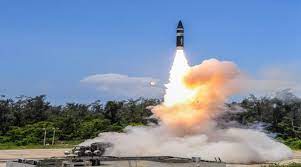
The 2007 Missile Defense Shield initiative represented a multi-layered approach to defense, combining various systems and technologies to detect, track, and intercept incoming missiles at different stages of flight. Central to this initiative was the development of ground-based interceptors (GBIs), which would be deployed at strategic locations to provide a first line of defense against ballistic missile threats.

One of the key components of the missile defense shield was the Ground-based Midcourse Defense (GMD) system, designed to intercept incoming ballistic missiles during the midcourse phase of their flight. This system relied on a network of sensors, including radar and satellites, to track and target enemy missiles, guiding GBIs to intercept them in space before they could reach their intended targets.

In addition to the GMD system, the missile defense shield also incorporated other elements, such as sea-based Aegis Ballistic Missile Defense (BMD) systems deployed on Navy ships, as well as land-based Patriot missile defense systems. These complementary systems provided additional layers of defense against different types of missile threats, enhancing the overall resilience and effectiveness of the missile defense architecture.

The development and deployment of the missile defense shield were not without controversy and criticism. Critics raised concerns about the technical feasibility and effectiveness of missile defense systems, citing past failures and the potential for unintended consequences, such as triggering an arms race or undermining strategic stability.

Moreover, there were geopolitical implications associated with the missile defense shield, particularly in relation to U.S. relations with Russia and China. Both countries expressed reservations and objections to the deployment of missile defense systems near their borders, viewing them as a potential threat to their own security interests and strategic deterrent capabilities.

Despite these challenges, the United States pressed forward with its missile defense efforts, viewing them as a critical component of its national security strategy. The 2007 Missile Defense Shield initiative represented a significant investment in defense technology and capabilities, reflecting the evolving nature of 21st-century warfare and the imperative to adapt to emerging threats in an increasingly complex global security environment.