ChatGPT
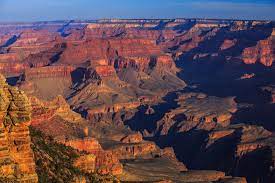
In the rugged expanse of the American West lies one of the world's most awe-inspiring natural wonders—the Grand Canyon. Carved over millions of years by the relentless forces of the Colorado River, this majestic chasm stretches for over 277 miles, revealing layers of geological history that span millions of years. In 1919, the United States took a monumental step to preserve and protect this iconic landscape by establishing the Grand Canyon National Park, a testament to the nation's commitment to conservation and the preservation of its natural heritage.

The idea of preserving the Grand Canyon as a national park had been brewing for decades before its official designation. Early explorers and adventurers, including John Wesley Powell and Clarence Dutton, marveled at the grandeur of the canyon and recognized its unique geological significance. Their writings and explorations captured the imagination of the American public and sparked calls for its protection.

In 1903, President Theodore Roosevelt visited the Grand Canyon and declared it a national monument under the Antiquities Act, recognizing its natural and cultural importance. Roosevelt's passionate advocacy for conservation paved the way for further efforts to safeguard the canyon's pristine wilderness.

However, it wasn't until 1919, on February 26th, that the Grand Canyon received the highest level of protection with its designation as a national park. President Woodrow Wilson signed the legislation into law, officially establishing the Grand Canyon National Park and ensuring its preservation for future generations to enjoy.

The creation of Grand Canyon National Park marked a significant milestone in the history of conservation in the United States. It solidified the concept of national parks as protected areas set aside for the enjoyment of the public while preserving their natural and cultural resources. The park's establishment reflected a growing awareness of the importance of environmental stewardship and the need to balance conservation with the growing demands of industrialization and development.

Since its inception, Grand Canyon National Park has served as a beacon for nature enthusiasts, scientists, and adventurers from around the world. Its breathtaking vistas, towering cliffs, and intricate rock formations inspire awe and wonder, inviting visitors to explore its depths and unravel its mysteries.

The park is not only a testament to the power of nature but also a living laboratory for scientific research and exploration. Geologists study its rock layers to unravel the Earth's geological history, while biologists document its diverse ecosystems and the unique species that call it home. Cultural historians delve into the stories of the indigenous peoples who have inhabited the canyon for thousands of years, leaving behind a rich tapestry of traditions and legends.

Today, Grand Canyon National Park continues to draw millions of visitors each year, offering a range of recreational opportunities, from hiking and camping to river rafting and stargazing. Its iconic vistas, including Mather Point, Yavapai Observation Station, and the South Rim Trail, provide endless opportunities for exploration and discovery.

As the Grand Canyon approaches its centennial anniversary as a national park, it stands as a testament to the enduring legacy of conservation in the United States. Its designation not only preserves a natural wonder of unparalleled beauty but also serves as a reminder of the importance of protecting our planet's precious resources for future generations to enjoy.