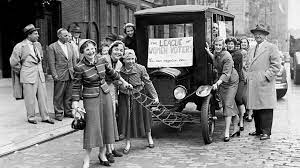
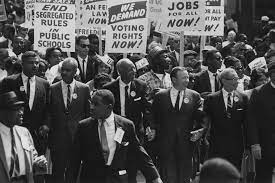
The Nineteenth Amendment to the United States Constitution, ratified on August 18, 1920, marked a significant milestone in the history of women's rights in the United States. This amendment granted women the right to vote, a right that had been denied to them for decades. The passage of the Nineteenth Amendment was the culmination of a long and arduous struggle by women's suffrage activists who fought tirelessly for equality and political representation.

The push for women's suffrage in the United States began in the mid-19th century, with women like Susan B. Anthony and Elizabeth Cady Stanton leading the charge. These early suffragists faced immense opposition and ridicule, as the idea of women participating in the political process was seen as radical and threatening to the established order. Despite these challenges, the suffrage movement gained momentum over the years, as more and more women joined the cause and demanded their right to vote.

The struggle for women's suffrage reached a turning point in the early 20th century, with the formation of the National American Woman Suffrage Association (NAWSA) and the more militant National Woman's Party (NWP). These organizations organized marches, protests, and lobbying efforts to pressure Congress and state legislatures to grant women the right to vote. Their efforts were met with resistance and hostility, but they persevered, knowing that their cause was just and necessary.

After years of tireless advocacy and activism, the women's suffrage movement achieved a major victory with the passage of the Nineteenth Amendment. The amendment states: "The right of citizens of the United States to vote shall not be denied or abridged by the United States or by any State on account of sex." This simple but powerful statement enshrined in the Constitution the right of women to participate in the democratic process on an equal footing with men.

The ratification of the Nineteenth Amendment was a watershed moment in American history, as it marked the culmination of decades of struggle and sacrifice by generations of women who fought for their rights. The passage of the amendment was a triumph of democracy and equality, as it expanded the franchise to include millions of women who had long been excluded from the political process.

The impact of the Nineteenth Amendment was profound and far-reaching. Women across the country were finally able to exercise their right to vote and have a say in the decisions that affected their lives. The amendment paved the way for greater gender equality in all areas of society, as women gained a stronger voice and greater representation in government.

The legacy of the Nineteenth Amendment continues to resonate today, as women continue to fight for equal rights and representation in all aspects of society. The passage of the amendment was a significant step forward in the ongoing struggle for gender equality, but there is still work to be done to ensure that women have equal opportunities and rights in all areas of life.