In the realm of radio broadcasting, the year 1941 marked a pivotal moment with the establishment of the first frequency modulation (FM) radio station in the United States. FM radio represented a revolutionary advancement in audio transmission technology, offering superior sound quality and greater resistance to interference compared to the existing amplitude modulation (AM) radio system.

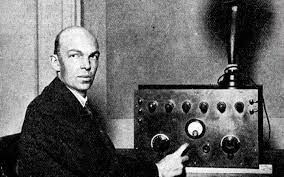
The origins of FM radio can be traced back to the pioneering work of inventor and engineer Edwin Armstrong, who began experimenting with frequency modulation in the 1930s as a means of overcoming the limitations of AM radio. Unlike AM radio, which modulates the amplitude of the radio waves to transmit audio signals, FM radio modulates the frequency of the waves, resulting in clearer, more consistent sound reproduction.

On June 1, 1941, Armstrong's vision became a reality with the launch of W47NV, the first FM radio station in the United States. Located in Alpine, New Jersey, W47NV was owned and operated by Armstrong himself and served as a testbed for demonstrating the capabilities of FM radio technology.

W47NV quickly garnered attention for its superior sound quality and fidelity, attracting a small but dedicated audience of radio enthusiasts and audio engineers. The station broadcast a variety of programming, including music, news, and educational content, showcasing the potential of FM radio as a platform for high-quality audio transmission.

Despite its early promise, FM radio faced numerous challenges in its early years, including technical obstacles, regulatory hurdles, and competition from the established AM radio industry. The outbreak of World War II further complicated matters, as resources and attention were diverted to the war effort, delaying the widespread adoption of FM radio.

However, the advantages of FM radio gradually became apparent, particularly in the realm of commercial broadcasting, where the demand for high-fidelity audio and reliable signal transmission was paramount. In the post-war years, FM radio experienced a surge in popularity, spurred by advancements in technology, changes in regulatory policy, and the proliferation of FM-equipped radios.

One of the key factors driving the growth of FM radio was the introduction of frequency modulation broadcasting on the FM band, which offered superior sound quality and reduced interference compared to the existing AM band. This led to a rapid expansion of FM radio stations across the United States, as broadcasters recognized the potential of FM technology to attract larger audiences and generate revenue through advertising and sponsorship.

By the 1960s, FM radio had firmly established itself as a dominant force in the broadcasting industry, offering a diverse array of programming options and capturing a significant share of the listening audience. FM radio stations proliferated, catering to a wide range of tastes and preferences, from music and talk radio to news and sports.

Today, FM radio remains an integral part of the media landscape, providing millions of listeners with access to music, information, and entertainment. While digital technologies and streaming services have emerged as competitors to traditional radio broadcasting, FM radio continues to thrive, thanks to its widespread availability, ease of use, and enduring appeal.