The events of February 28, 1993, in Waco, Texas, are etched into the collective memory of the American public as one of the most tragic and controversial incidents in modern U.S. history. This fateful day marked the beginning of a deadly siege that would unfold over the following weeks, culminating in a catastrophic fire and the loss of dozens of lives.

The saga began when agents from the Bureau of Alcohol, Tobacco, Firearms and Explosives (ATF) launched a raid on the Mount Carmel Center, a compound belonging to the Branch Davidians, a religious sect led by David Koresh. The ATF sought to execute a search warrant and arrest Koresh and other members of the group on suspicion of weapons violations and stockpiling illegal firearms.

The raid quickly escalated into a violent confrontation as gunfire erupted between the ATF agents and the Branch Davidians. In the chaos that ensued, four ATF agents and six Branch Davidians were killed, and many more were injured. The botched raid set the stage for a prolonged standoff between the FBI and the Branch Davidians, who barricaded themselves inside the compound.

Over the following weeks, tensions mounted as negotiations between the FBI and Koresh faltered, and the situation grew increasingly volatile. The FBI initiated a siege of the compound, surrounding it with armored vehicles, barbed wire, and a heavy law enforcement presence. Inside the compound, conditions deteriorated as supplies dwindled, and both sides remained entrenched in their positions.

As the standoff dragged on, the eyes of the nation turned to Waco, Texas, as the media provided round-the-clock coverage of the unfolding drama. Public opinion was divided, with some sympathizing with the Branch Davidians' right to religious freedom, while others viewed them as a dangerous cult that posed a threat to society.

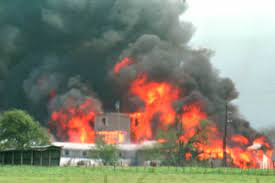
On April 19, 1993, the standoff reached a tragic climax when a fire engulfed the Mount Carmel Center, consuming the compound in a blaze of flames. The exact cause of the fire remains the subject of debate and controversy, with some theories suggesting that it was deliberately set by the Branch Davidians themselves, while others claim that it was sparked by the FBI's tear gas canisters.

Regardless of the cause, the fire proved devastating, claiming the lives of 76 people, including David Koresh and many women and children. The Waco siege became a lightning rod for criticism of law enforcement tactics and government overreach, sparking inquiries and investigations into the events leading up to the tragedy.

In the aftermath of Waco, questions lingered about the handling of the standoff and the decisions made by both the ATF and the FBI. The incident raised concerns about the use of force, the rights of religious minorities, and the need for greater transparency and accountability in law enforcement operations.

More than three decades later, the legacy of Waco endures as a cautionary tale about the dangers of extremism, the complexities of religious freedom, and the consequences of unchecked government power. The events of February 28, 1993, and the subsequent siege in Waco, Texas, remain a somber reminder of the fragility of human life and the perils of fanaticism and intolerance.