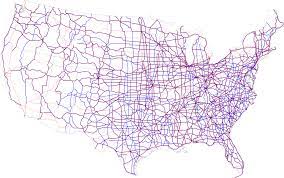
In 1925, the United States implemented a formal highway numbering system that revolutionized the way roads and highways were organized and identified across the country. This system, known as the U.S. Route system, standardized the numbering of major highways and provided a clear and consistent method for travelers to navigate the growing network of roads in the United States. The establishment of the U.S. Route system marked a significant milestone in the development of the country's transportation infrastructure and had far-reaching implications for travel, commerce, and communication.

Prior to the introduction of the U.S. Route system, the organization and numbering of highways in the United States were often chaotic and inconsistent. Different states used their own numbering systems for highways, leading to confusion for travelers and making it difficult to plan long-distance trips. Recognizing the need for a more unified approach to highway numbering, the American Association of State Highway Officials (AASHO) proposed a national system that would assign unique numbers to major highways and create a standardized framework for the nation's road network.

In 1925, the U.S. Route system was officially adopted, assigning numbers to key highways that connected major cities, regions, and transportation hubs across the country. Under this system, even-numbered routes generally ran east to west, while odd-numbered routes ran north to south. The numbering of routes was based on geographic location, with lower numbers assigned to highways in the eastern United States and higher numbers assigned to highways in the western United States.

One of the most famous and iconic routes established under the U.S. Route system was Route 66, which ran from Chicago, Illinois, to Santa Monica, California. Route 66 became known as the "Main Street of America" and played a significant role in facilitating travel and commerce between the Midwest and the West Coast. The U.S. Route system also included other major highways such as Route 1 along the East Coast, Route 50 across the central United States, and Route 101 along the West Coast.

The introduction of the U.S. Route system had a profound impact on travel and transportation in the United States. The standardized numbering of highways made it easier for travelers to plan and navigate long-distance trips, fostering increased mobility and connectivity across the country. The U.S. Route system also facilitated economic growth and development by improving access to markets, resources, and population centers.

In addition to the U.S. Route system, the 1925 highway numbering plan also laid the groundwork for the future development of the Interstate Highway System. The numbering conventions and organizational principles established under the U.S. Route system were later incorporated into the Interstate Highway System, which was authorized by the Federal Aid Highway Act of 1956 and remains a vital component of the nation's transportation infrastructure.

Overall, the formal highway numbering system introduced in 1925 was a significant achievement that transformed the way roads and highways were identified and organized in the United States. The U.S. Route system provided a clear and consistent framework for navigating the country's expanding network of highways, promoting economic growth, social interaction, and cultural exchange. The legacy of the U.S. Route system continues to shape the nation's transportation infrastructure and remains an essential component of the American road network.