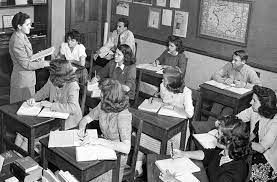
In 1940, school performance in the United States was influenced by a variety of factors, including the impact of the Great Depression, educational reforms, social changes, and the looming shadow of World War II. The state of education during this period reflected the challenges and opportunities facing the American education system as it sought to adapt to changing circumstances and meet the needs of a rapidly evolving society.

The 1940s marked a period of transition and transformation in American education, as the country emerged from the economic hardships of the Great Depression and prepared for the uncertainties of war. The education system faced significant challenges in terms of resources, infrastructure, and teaching capacity, as many schools struggled to cope with limited funding and overcrowded classrooms. Despite these challenges, efforts were made to improve school performance and enhance educational opportunities for students across the country.

One of the key factors influencing school performance in 1940 was the impact of the Great Depression on the education system. The economic downturn of the 1930s had taken a toll on schools, leading to budget cuts, teacher layoffs, and reduced resources for educational programs. Many schools were forced to operate with limited funding, outdated materials, and overcrowded classrooms, which affected the quality of education and student outcomes. The legacy of the Depression continued to shape the educational landscape in the 1940s, as schools grappled with the long-term effects of the economic crisis on student achievement and school performance.

Educational reforms and initiatives introduced during the 1940s also played a significant role in shaping school performance in the United States. The period saw the implementation of new programs, curricula, and teaching methods aimed at improving student learning outcomes and preparing students for the challenges of a changing world. Efforts were made to expand access to education, promote literacy, and foster critical thinking skills among students, laying the groundwork for a more inclusive and dynamic education system.

Social changes and shifting demographics in the 1940s had a profound impact on school performance and educational outcomes. The period witnessed increased migration from rural to urban areas, as well as demographic shifts resulting from the war effort and changes in employment patterns. Schools had to adapt to the needs of a more diverse student population, including children from different backgrounds, cultures, and socioeconomic statuses, which posed challenges and opportunities for educators and policymakers.

The looming shadow of World War II also cast a long shadow over school performance in the United States during the 1940s. The war effort demanded sacrifices and resources from all sectors of society, including the education system, as schools grappled with the challenges of wartime conditions and disruptions. Many schools were affected by the war, as teachers and students were called to serve in the military, and resources were diverted to support the war effort. Despite these challenges, schools played a critical role in preparing students for the realities of war and fostering a sense of national unity and resilience.