In 1920, farm labor costs in the United States were a significant concern for agricultural workers, farmers, and policymakers alike. The agricultural sector played a crucial role in the American economy during this period, with millions of workers employed on farms across the country. However, the issue of fair wages, working conditions, and labor rights for farmworkers was a contentious and complex issue that shaped the dynamics of the agricultural industry in the early 20th century.

During the 1920s, the United States experienced a period of economic growth and prosperity following the end of World War I. The agricultural sector, which had been a key driver of the country's economy for centuries, continued to play a vital role in providing food and raw materials for domestic consumption and export. However, the agricultural industry faced various challenges, including fluctuating commodity prices, changing consumer demands, and evolving technology that impacted farm labor costs and productivity.

One of the central issues surrounding farm labor costs in the 1920s was the question of fair wages and working conditions for agricultural workers. Many farmworkers, including migrant laborers, sharecroppers, and tenant farmers, faced low wages, long hours, and poor living conditions on farms across the country. The lack of labor protections, such as minimum wage laws and collective bargaining rights, left many farmworkers vulnerable to exploitation and abuse by farm owners and labor contractors.

The agricultural industry relied heavily on manual labor for planting, cultivating, and harvesting crops, as well as caring for livestock and maintaining farm infrastructure. The availability of cheap labor, often in the form of immigrant workers, African American laborers, and marginalized communities, allowed farmers to keep production costs low and maximize profits. However, this reliance on low-wage labor contributed to widespread poverty, inequality, and social unrest in rural communities.

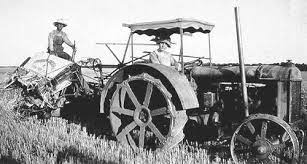
The issue of farm labor costs was further complicated by the mechanization of agriculture during the 1920s. Advances in farm machinery, such as tractors, combines, and harvesters, revolutionized the way crops were planted and harvested, leading to increased efficiency and productivity on farms. While mechanization promised to reduce labor costs and improve farm operations, it also displaced many farmworkers and reshaped the rural labor force, leading to job losses and economic hardship for many agricultural workers.

The debate over farm labor costs in the 1920s also intersected with broader social and political movements, including the labor movement, the Progressive Era reforms, and the fight for workers' rights. Advocates for farmworkers, including labor unions, social reformers, and activists, called for better wages, working conditions, and protections for agricultural workers. Efforts to organize farm laborers, improve labor laws, and raise awareness about the plight of farmworkers gained momentum during this period, laying the foundation for future labor rights movements in the agricultural sector.