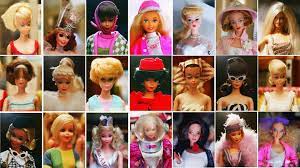
In 1959, the United States witnessed the introduction of the iconic Barbie doll, a cultural phenomenon that revolutionized the toy industry and became a symbol of fashion, femininity, and aspiration for generations of girls around the world. Created by businesswoman Ruth Handler and manufactured by the toy company Mattel, Barbie made her debut at the American International Toy Fair in New York City, capturing the hearts and imaginations of children with her stylish looks, versatility, and endless possibilities for play and creativity.

The original Barbie doll featured a glamorous, fashion-forward image inspired by the high-fashion models and Hollywood starlets of the era. With her blonde hair, blue eyes, and slim figure, Barbie embodied a vision of beauty and sophistication that resonated with young girls who aspired to emulate her sense of style and glamour. The doll's wardrobe included a range of chic outfits, accessories, and playsets that allowed children to explore different roles and scenarios, from fashion designer to astronaut, sparking their imagination and creativity.

One of the key innovations of the Barbie doll was her ability to reflect changing trends in fashion and culture, evolving over the years to stay relevant and appealing to new generations of children. Barbie's diverse range of careers, interests, and identities showcased a vision of empowerment and possibility for girls, encouraging them to dream big, break stereotypes, and pursue their passions without limitations. From astronaut to doctor, pilot to president, Barbie inspired girls to see themselves in a variety of roles and professions, challenging traditional gender norms and expectations.

The success of the Barbie doll in 1959 marked a turning point in the toy industry, demonstrating the demand for dolls that reflected the changing attitudes and aspirations of postwar American society. Barbie's popularity soared as she became a cultural icon, appearing in television commercials, fashion magazines, and other media outlets, and capturing the imagination of girls and collectors around the world. The doll's appeal extended beyond playtime, serving as a symbol of girlhood, beauty, and empowerment for generations of children who grew up with Barbie as a companion and confidante.

Despite her widespread popularity, Barbie also faced criticism and controversy over the years for promoting unrealistic beauty standards, perpetuating gender stereotypes, and reinforcing narrow ideals of femininity. Critics argued that Barbie's exaggerated proportions, focus on appearance, and limited representation of diversity failed to reflect the diversity and complexity of real girls and women, raising questions about the impact of dolls like Barbie on body image, self-esteem, and gender identity.

In response to these concerns, Mattel introduced a more diverse and inclusive range of Barbie dolls in recent years, featuring a variety of skin tones, body types, hairstyles, and careers to better reflect the diversity of girls and women around the world. The evolution of Barbie has been marked by a commitment to inclusivity, empowerment, and positive representation, with the brand embracing diversity and promoting messages of self-acceptance, confidence, and authenticity for girls of all backgrounds.