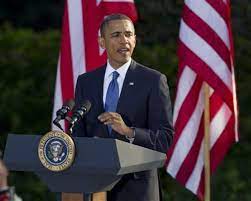
In 2010, President Barack Obama made education a top priority of his administration, outlining a comprehensive agenda aimed at improving the quality of education in the United States and ensuring that all students have access to the resources and opportunities needed to succeed in school and beyond. Obama's focus on education reflected his belief in the transformative power of learning, the importance of investing in human capital, and the role of education as a key driver of economic growth, social mobility, and national prosperity.

One of the key initiatives of President Obama's education agenda was the "Race to the Top" program, a competitive grant program that incentivized states to implement bold reforms and innovative practices to improve student achievement, close achievement gaps, and increase graduation rates. Through Race to the Top, states were encouraged to adopt rigorous academic standards, develop effective teacher evaluation systems, expand school choice options, and support the development of data-driven, evidence-based strategies to improve student outcomes.

President Obama also championed the expansion of early childhood education and the promotion of high-quality preschool programs as a critical component of his education agenda. Recognizing the importance of early learning in shaping children's cognitive, social, and emotional development, Obama called for increased investment in early childhood education initiatives to ensure that all children have a strong foundation for success in school and in life. The administration's efforts to expand access to high-quality preschool programs and support early intervention strategies aimed at narrowing achievement gaps and improving school readiness for at-risk children.

In addition to his focus on K-12 education, President Obama emphasized the importance of higher education and workforce development in preparing students for the demands of the 21st-century economy. Obama's administration implemented a series of reforms to make college more affordable, increase access to financial aid, and improve accountability and transparency in higher education institutions. The administration also launched the "College Scorecard" initiative, an online tool that provides information on college costs, graduation rates, and post-graduation outcomes to help students make informed decisions about their college options.

Furthermore, President Obama prioritized efforts to address inequities and disparities in the education system, particularly in underserved communities and among disadvantaged student populations. The administration focused on promoting diversity, equity, and inclusion in schools, supporting initiatives to reduce disciplinary disparities, increase access to high-quality teachers, and improve school climate and safety for all students. Obama's commitment to educational equity and social justice underscored his belief in the power of education to level the playing field, expand opportunities, and empower individuals to reach their full potential.

President Obama's education agenda also emphasized the importance of innovation, collaboration, and continuous improvement in transforming the education system to meet the evolving needs of students, educators, and communities. Obama encouraged partnerships between schools, businesses, nonprofits, and government agencies to foster creativity, entrepreneurship, and interdisciplinary learning in preparing students for the challenges and opportunities of the modern world. The administration's emphasis on STEM (science, technology, engineering, and mathematics) education, career and technical training, and digital literacy initiatives reflected Obama's vision of education as a catalyst for innovation, economic growth, and global competitiveness.