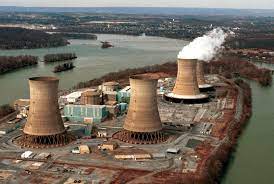
The Three Mile Island nuclear incident of 1979 stands as one of the most significant nuclear accidents in the history of the United States. Located near Harrisburg, Pennsylvania, Three Mile Island Unit 2 experienced a partial meltdown of its reactor core on March 28, 1979, leading to a release of radioactive gases and sparking widespread fear and concern about the safety of nuclear power plants.

The incident at Three Mile Island began with a series of equipment malfunctions and operator errors that resulted in a loss of coolant and a buildup of pressure in the reactor core. As the situation escalated, plant operators struggled to contain the crisis and communicate effectively with emergency responders and the public. The lack of clear information and conflicting reports about the severity of the situation only heightened anxiety and uncertainty among residents in the surrounding areas.

In the aftermath of the partial meltdown, a significant amount of radioactive gases, including radioactive iodine and xenon, were released into the atmosphere. While the release was contained within the plant and did not result in a large-scale evacuation of the surrounding community, concerns about the potential health effects of exposure to radiation lingered for years to come. The incident at Three Mile Island raised questions about the safety of nuclear power plants, the adequacy of emergency response plans, and the transparency of information provided to the public in the event of a nuclear accident.

The Three Mile Island incident had far-reaching consequences for the nuclear industry in the United States and around the world. In the immediate aftermath of the accident, public confidence in nuclear power plummeted, leading to a slowdown in the construction of new nuclear plants and increased scrutiny of existing facilities. The incident also prompted a reevaluation of safety protocols, emergency preparedness measures, and regulatory oversight of the nuclear industry to prevent similar accidents from occurring in the future.

The cleanup and decommissioning of Three Mile Island Unit 2 proved to be a lengthy and complex process that spanned several decades. The damaged reactor core was eventually stabilized, and the radioactive fuel was removed and safely stored. The cleanup efforts required meticulous planning, specialized equipment, and rigorous safety measures to prevent further contamination of the environment and ensure the health and safety of workers and the surrounding community.

Despite the challenges and controversies surrounding the Three Mile Island incident, the nuclear industry has continued to play a significant role in the energy landscape of the United States. Advances in nuclear technology, safety protocols, and emergency response capabilities have helped to address some of the concerns raised by the Three Mile Island accident and improve the overall safety and reliability of nuclear power plants. However, the legacy of Three Mile Island remains a sobering reminder of the potential risks and consequences associated with nuclear energy and the importance of robust regulatory oversight and public engagement in shaping the future of nuclear power.