In 1970, the United States took a significant step towards public health and consumer protection by enacting a ban on cigarette advertising on television and radio. The decision to prohibit cigarette advertisements marked a pivotal moment in the country's efforts to address the harmful effects of smoking, reduce tobacco consumption, and safeguard the well-being of the population, particularly young people who were seen as vulnerable to the influence of advertising.

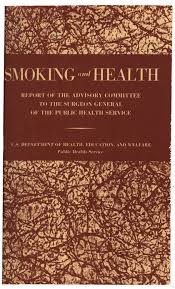
The ban on cigarette advertising was a response to growing concerns about the health risks associated with smoking and the role of advertising in promoting tobacco products to the public. By the 1970s, scientific research had established a clear link between smoking and serious health conditions such as lung cancer, heart disease, and respiratory ailments, prompting calls for regulatory action to curb the marketing of cigarettes and protect public health.

The decision to ban cigarette advertising on television and radio was based on the recognition that the broadcast media played a significant role in shaping public attitudes and behaviors towards smoking. Cigarette commercials had long been a staple of television and radio programming, with tobacco companies using catchy jingles, glamorous imagery, and celebrity endorsements to promote their products and attract new customers, including young people and non-smokers.

The ban on cigarette advertising was implemented through the Public Health Cigarette Smoking Act of 1969, which prohibited the advertising of cigarettes and other tobacco products on television and radio starting on January 2, 1971. The legislation also required health warning labels to be displayed on cigarette packaging and advertisements, alerting consumers to the risks of smoking and the dangers of tobacco use.

The ban on cigarette advertising had far-reaching implications for the tobacco industry, which had long relied on advertising to promote its products and maintain market share. The prohibition of cigarette commercials on television and radio forced tobacco companies to shift their marketing strategies and focus on other channels such as print media, billboards, and sponsorships to reach consumers and promote their brands.

The ban on cigarette advertising also had a significant impact on public awareness and attitudes towards smoking. By removing cigarette commercials from the airwaves, the ban helped to reduce the visibility and social acceptability of smoking, particularly among younger audiences who were exposed to advertising messages that glamorized and normalized tobacco use.

The ban on cigarette advertising in 1970 was part of a broader public health campaign to combat smoking-related illnesses, prevent tobacco addiction, and reduce the prevalence of smoking in the population. The ban was accompanied by other measures such as increased taxes on tobacco products, smoking cessation programs, and restrictions on smoking in public places, all aimed at curbing the demand for cigarettes and promoting healthier lifestyles.