In 1945, towards the end of World War II, US troops played a pivotal role in the liberation of the Buchenwald concentration camp in Germany, exposing the horrors of the Nazi regime and bearing witness to the atrocities committed against prisoners of war, political dissidents, and innocent civilians. The liberation of Buchenwald marked a significant moment in history, shedding light on the depths of human cruelty and serving as a stark reminder of the importance of standing against tyranny, oppression, and genocide.

Buchenwald concentration camp, located near Weimar in Germany, was established by the Nazis in 1937 and served as a site of imprisonment, forced labor, and extermination for tens of thousands of individuals deemed undesirable by the regime. The camp was notorious for its harsh conditions, brutal treatment of inmates, and systematic persecution of Jews, political prisoners, homosexuals, Roma, and other marginalized groups. As the war drew to a close in 1945, Buchenwald became a symbol of the Nazi regime's reign of terror and a focal point for Allied forces seeking to bring an end to the Holocaust.

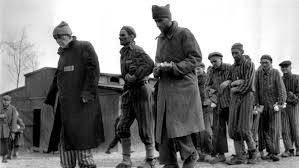
On April 11, 1945, US troops from the 6th Armored Division, part of General George S. Patton's Third Army, arrived at Buchenwald and liberated the camp from Nazi control. What they encountered was a scene of unimaginable horror and suffering, as they were confronted with emaciated prisoners, mass graves, and evidence of systematic genocide and human rights abuses. The US soldiers were shocked and appalled by the conditions they found at Buchenwald, with survivors recounting stories of starvation, torture, medical experiments, and senseless violence at the hands of the SS guards.

The liberation of Buchenwald by US troops was met with a mix of emotions, ranging from relief and gratitude among the survivors to horror and disbelief among the liberators. The soldiers worked tirelessly to provide medical care, food, and support to the emaciated and traumatized prisoners, many of whom were on the brink of death due to malnutrition, disease, and mistreatment. The US troops also documented the atrocities they witnessed at Buchenwald, gathering evidence of war crimes and human rights violations to hold the perpetrators accountable for their actions.

The liberation of Buchenwald served as a turning point in the Allied campaign against Nazi Germany, galvanizing public opinion and political will to bring an end to the Holocaust and hold the perpetrators of genocide accountable for their crimes. The images and testimonies from Buchenwald shocked the world and underscored the urgent need for justice, reconciliation, and remembrance in the aftermath of the war. The US troops who participated in the liberation of Buchenwald became witnesses to history, bearing witness to the resilience and courage of the survivors and the inhumanity of the perpetrators.

In the decades since the liberation of Buchenwald, the memory of the camp and the horrors of the Holocaust have been preserved as a testament to the enduring legacy of the victims and the imperative of never forgetting the lessons of history. The liberation of Buchenwald by US troops stands as a symbol of hope, courage, and solidarity in the face of evil, inspiring future generations to stand up against intolerance, hatred, and injustice wherever they may arise. The legacy of Buchenwald lives on as a reminder of the power of remembrance, education, and activism in combating genocide, discrimination, and human rights abuses around the world.