February 9, 1937, stands as a significant date in the history of the United States, particularly in relation to work relief efforts and flood rehabilitation during the Great Depression. In the midst of one of the most challenging economic periods in American history, the government initiated ambitious programs aimed at providing employment opportunities and aiding communities affected by natural disasters such as floods.

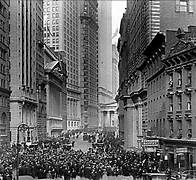
During the 1930s, the Great Depression wreaked havoc on the U.S. economy, leading to widespread unemployment, poverty, and social upheaval. In response to the dire economic conditions, President Franklin D. Roosevelt's administration launched the New Deal, a series of programs and reforms designed to alleviate the suffering of the American people and stimulate economic recovery.

One of the cornerstones of the New Deal was the Works Progress Administration (WPA), established in 1935 with the aim of providing employment to millions of Americans through public works projects. By February 9, 1937, the WPA had already made significant strides in creating jobs and revitalizing infrastructure across the country. Projects undertaken by the WPA ranged from the construction of roads, bridges, and public buildings to the improvement of parks, schools, and utilities.

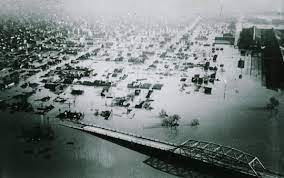
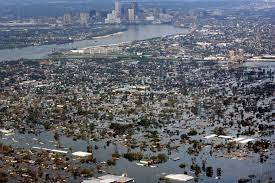
On February 9, 1937, the WPA's work relief efforts were particularly crucial in the wake of devastating floods that had struck several regions of the United States. In the winter of 1936-1937, heavy rains and snowmelt caused extensive flooding along the Ohio River and its tributaries, inundating communities in states such as Ohio, Indiana, Kentucky, and West Virginia. The floods inflicted widespread damage to homes, farms, businesses, and infrastructure, displacing thousands of people and disrupting local economies.

In response to the floods, the WPA mobilized its resources to provide relief and aid in the rehabilitation of affected areas. Work crews were dispatched to repair levees, dredge rivers, and reinforce flood defenses, helping to mitigate the impact of future flooding and protect vulnerable communities. Additionally, the WPA provided employment opportunities for those displaced by the floods, offering them a means to support themselves and their families during a time of crisis.

The efforts of the WPA and other relief agencies in response to the 1937 floods underscored the importance of government intervention in addressing natural disasters and economic hardship. By providing employment, relief assistance, and infrastructure improvements, the New Deal programs not only helped to alleviate immediate suffering but also laid the groundwork for long-term economic recovery and resilience.

February 9, 1937, thus serves as a poignant reminder of the resilience and resourcefulness of the American people in the face of adversity. Through the combined efforts of government agencies, communities, and individuals, the nation was able to weather the storm of the Great Depression and emerge stronger and more united than before. The legacy of the New Deal continues to resonate today as a testament to the power of collective action and compassion in times of crisis.