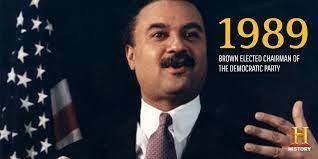
February 10, 1989, marked a significant moment in American history with the appointment of Ronald H. Brown as the first African American chairman of the Democratic National Committee (DNC). This milestone not only represented a personal triumph for Brown but also symbolized a broader shift in American politics towards greater inclusivity and diversity.

Ronald Harmon Brown was born on August 1, 1941, in Washington, D.C. His early life was shaped by the realities of racial segregation and discrimination, but he excelled academically, earning a law degree from St. John's University School of Law in 1964. Brown's commitment to civil rights and social justice was evident throughout his career, and he quickly rose through the ranks of the Democratic Party.

By the late 1980s, Brown had established himself as a prominent figure within the Democratic Party, known for his charisma, strategic acumen, and tireless advocacy for progressive causes. His appointment as chairman of the DNC on February 10, 1989, by newly elected President Bill Clinton, was met with widespread acclaim and marked a historic moment in American politics.

As chairman of the DNC, Brown played a pivotal role in shaping the party's agenda and electoral strategy. He worked tirelessly to mobilize voters, expand the party's base, and promote Democratic candidates at all levels of government. Under his leadership, the DNC implemented innovative grassroots organizing techniques and embraced emerging technologies to connect with voters in new and impactful ways.

Brown's tenure as DNC chairman coincided with a period of significant political change in the United States. The end of the Cold War, the emergence of new global challenges, and shifting demographics reshaped the political landscape, presenting both opportunities and challenges for the Democratic Party. Brown's leadership was instrumental in navigating these changes and positioning the party for success in the years to come.

Beyond his role in electoral politics, Brown was a trailblazer and a symbol of hope for millions of Americans, particularly African Americans, who had long been underrepresented in positions of power and influence. His appointment as DNC chairman shattered barriers and inspired a new generation of leaders to pursue their dreams and aspirations.

Tragically, Brown's tenure as DNC chairman was cut short by his untimely death in a plane crash on April 3, 1996. The crash, which occurred while Brown was on a trade mission to Croatia, claimed the lives of all 35 passengers and crew members on board. Brown's death sent shockwaves through the political world and sparked an outpouring of grief and tributes from across the political spectrum.

In the years since his passing, Ronald H. Brown's legacy has endured as a testament to the power of perseverance, leadership, and service. His contributions to American politics and society continue to be remembered and celebrated, serving as an inspiration to future generations of leaders committed to building a more inclusive and equitable world.