In the annals of American history, 1933 stands out as a year of profound turbulence and uncertainty. The nation grappled with the throes of the Great Depression, an economic cataclysm that ravaged livelihoods and communities across the land. Yet amidst this backdrop of hardship, the city of Chicago found itself thrust into the spotlight for a different reason entirely – the shocking assassination attempt on its mayor, Anton Cermak.

Chicago, a city known for its grit and resilience, was no stranger to political intrigue and corruption during the early 20th century. Against this backdrop emerged Anton Cermak, a Czech immigrant who rose through the ranks of local politics to become the mayor of the Windy City in 1931. Cermak's ascendancy to power was emblematic of the American Dream – a testament to the promise that anyone, regardless of their background, could achieve success in the land of opportunity.

However, Cermak's tenure as mayor was not without controversy. He faced fierce opposition from entrenched interests and rival factions within the city's political landscape. Chicago, notorious for its organized crime syndicates and rampant corruption, was a cauldron of competing agendas and power struggles.

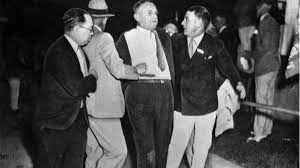
On February 15, 1933, during a fateful encounter at Bayfront Park in Miami, Florida, tragedy struck. Cermak was attending an event with then-President-elect Franklin D. Roosevelt when a deranged gunman, Giuseppe Zangara, opened fire. The assailant's intended target was Roosevelt, but in the chaos of the moment, Cermak found himself caught in the crossfire.

The shots rang out, and chaos erupted as panic swept through the crowd. In the ensuing pandemonium, several individuals, including Cermak, were struck by gunfire. The mayor sustained a serious abdominal wound, and amidst the chaos, he was rushed to a nearby hospital for emergency treatment.

The nation held its breath as news of the assassination attempt spread like wildfire. The shooting sent shockwaves across the country, prompting an outpouring of sympathy and support for the wounded mayor. In Chicago, a city already reeling from the effects of the Great Depression, the news struck a particularly raw nerve.

For days, the nation anxiously awaited updates on Cermak's condition. His fate hung in the balance, and the entire country watched with bated breath as doctors fought to save his life. Meanwhile, authorities launched a swift and relentless manhunt to apprehend Zangara and bring him to justice.

Miraculously, Cermak survived the ordeal, though his road to recovery would be long and arduous. The assassination attempt left an indelible mark on the mayor, both physically and emotionally. Despite his injuries, however, Cermak's resolve remained unshaken. He emerged from the harrowing experience with a renewed sense of purpose, determined to continue serving the people of Chicago to the best of his abilities.

The events of February 15, 1933, served as a stark reminder of the fragility of democracy and the perils of political extremism. In the aftermath of the shooting, there was a renewed sense of unity and solidarity among Americans from all walks of life. The nation rallied around Cermak, celebrating his miraculous survival and reaffirming its commitment to the principles of freedom and democracy.

Ultimately, Anton Cermak's brush with death would come to symbolize the resilience of the American spirit in the face of adversity. His legacy endures as a testament to the enduring power of hope and perseverance in times of crisis. And though the scars of that fateful day may never fully heal, the spirit of resilience that emerged from the tragedy continues to inspire future generations to this day.