On February 15, 2002, the issue of nuclear waste disposal in the United States took a significant turn with the announcement of the Yucca Mountain Project by the U.S. Department of Energy (DOE). This marked a pivotal moment in the nation's ongoing efforts to address the complex and contentious issue of nuclear waste management.

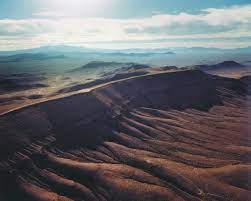
The Yucca Mountain Project aimed to establish a long-term repository for the storage of high-level nuclear waste generated by civilian and military nuclear activities. Located in a remote desert region of Nevada, Yucca Mountain was proposed as the site for the underground storage facility due to its geological stability and isolation from densely populated areas. The project had been under consideration for decades, facing numerous technical, political, and regulatory challenges along the way.

One of the primary motivations behind the push for a centralized nuclear waste repository was the growing stockpile of spent nuclear fuel accumulating at nuclear power plants across the country. With the closure of the federal nuclear waste repository program in 1982, there was a pressing need to find a safe and permanent solution for the disposal of this highly radioactive material.

Proponents of the Yucca Mountain Project argued that centralizing nuclear waste storage in a single, heavily engineered facility would reduce the risks associated with dispersing it across multiple temporary storage sites. They pointed to the stringent safety standards and rigorous scientific studies that had been conducted to assess the suitability of Yucca Mountain as a repository site.

However, the project faced fierce opposition from various quarters, including environmental groups, Native American tribes, and the state of Nevada. Critics raised concerns about the potential environmental impact of transporting nuclear waste across the country to reach the repository site. They also questioned the long-term safety of storing radioactive material deep underground, citing the risk of groundwater contamination and the potential for geological instability.

The debate over the Yucca Mountain Project reflected broader divisions within American society over the risks and benefits of nuclear energy. Proponents argued that nuclear power was a vital component of the nation's energy portfolio, offering a low-carbon alternative to fossil fuels and reducing dependence on foreign oil. They contended that finding a solution to the nuclear waste problem was essential for the continued viability of the nuclear industry.

Opponents, however, raised concerns about the inherent dangers of nuclear power, including the risk of catastrophic accidents and the long-term hazards associated with radioactive waste. They called for greater investment in renewable energy sources and energy efficiency measures as alternatives to nuclear power.

Despite years of planning and billions of dollars spent on research and development, the Yucca Mountain Project ultimately faltered in the face of political and regulatory obstacles. In 2010, the Obama administration moved to withdraw the DOE's license application for the repository, effectively bringing an end to the project.

The failure of the Yucca Mountain Project underscored the challenges of nuclear waste disposal and the complexities of balancing energy needs with environmental and safety concerns. While the search for a permanent solution continues, the issue remains unresolved, leaving nuclear waste stored at temporary facilities around the country as a reminder of the enduring legacy of the nuclear age.