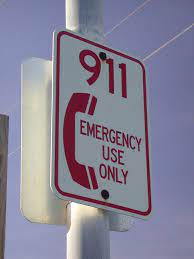
The year 1968 marked a significant milestone in the history of emergency communication in the United States with the introduction of the 911 emergency telephone service. This innovative system revolutionized the way individuals could seek help during emergencies, providing a universal, easy-to-remember number that could be dialed from any telephone to quickly connect callers with emergency services such as police, fire, and medical assistance.

Prior to the establishment of 911, accessing emergency services often involved navigating a complex web of local telephone numbers, which varied widely from one jurisdiction to another. This fragmented system could be confusing and time-consuming, particularly in high-stress situations where every second counted. Recognizing the need for a more efficient and standardized approach to emergency communication, policymakers and telecommunications experts began exploring the concept of a single, nationwide emergency number.

The impetus for the development of the 911 system came in the aftermath of a tragic incident in 1967, when a mentally disturbed individual in Haleyville, Alabama, attempted to call the local police department by dialing the number 911. Although the call was not successful, it sparked a national conversation about the need for a dedicated emergency number that could be easily remembered and universally accessible.

Building on this momentum, the Federal Communications Commission (FCC) took the lead in coordinating efforts to establish a nationwide emergency telephone number. In 1968, the FCC designated 911 as the official emergency number for the United States, paving the way for the deployment of the system in communities across the country.

The introduction of the 911 system represented a significant technological and logistical challenge, requiring the coordination of telecommunications providers, emergency services agencies, and local government authorities. Implementation varied from one jurisdiction to another, with some communities pioneering the deployment of 911 service while others gradually adopted the system over time.

Key features of the 911 system included its simplicity and ease of use, allowing callers to reach emergency services by dialing just three digits from any telephone, including landlines and payphones. In addition to connecting callers with the appropriate emergency services, the 911 system enabled dispatchers to quickly identify the location of the caller, streamlining the process of dispatching first responders to the scene of the emergency.

The introduction of 911 had a profound impact on public safety and emergency response capabilities. By providing a centralized point of contact for individuals in distress, the system helped to reduce response times, improve coordination among emergency services agencies, and save lives in countless situations. Moreover, the universal adoption of the 911 system helped to raise awareness about the importance of emergency preparedness and encouraged communities to invest in the infrastructure and resources needed to support effective emergency response.

Over the years, the 911 system has continued to evolve and adapt to changing technologies and communication trends. Advances such as Enhanced 911 (E911), which automatically provides location information to dispatchers when a call is placed from a mobile phone, have further enhanced the effectiveness and efficiency of the system.

Today, the 911 system remains a cornerstone of emergency communication infrastructure in the United States, serving as a critical lifeline for individuals in times of crisis. As technology continues to advance and new challenges emerge, the legacy of the 911 system serves as a testament to the power of innovation and collaboration in improving public safety and saving lives.