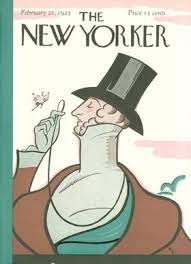
On February 17, 1925, an iconic publication emerged onto the cultural landscape of New York City and beyond—The New Yorker magazine. Founded by Harold Ross and his wife, Jane Grant, this groundbreaking publication would go on to become one of the most influential and enduring voices in American journalism, literature, and popular culture.

The New Yorker was envisioned as a sophisticated yet accessible publication, aimed at capturing the essence of the vibrant and dynamic city it called home. From its very inception, the magazine set itself apart with its distinctive blend of insightful commentary, in-depth reporting, and witty humor. Its pages were filled with a diverse array of content, including essays, short stories, poetry, cartoons, and reviews, covering topics ranging from politics and current events to art, literature, and entertainment.

At the helm of The New Yorker was Harold Ross, a visionary editor with a keen eye for talent and a commitment to journalistic excellence. Under his leadership, the magazine quickly established itself as a cultural institution, attracting contributions from some of the most prominent writers, artists, and intellectuals of the time. From E.B. White and Dorothy Parker to James Thurber and John Updike, The New Yorker boasted a roster of literary luminaries whose works graced its pages and helped shape its identity.

One of the magazine's most enduring features was its cartoons, which became synonymous with The New Yorker's irreverent wit and distinctive style. Artists like Charles Addams, Peter Arno, and Saul Steinberg brought to life a cast of quirky characters and absurd situations that captured the zeitgeist of New York City and the broader American experience. The New Yorker's cartoons became iconic symbols of urban life and were eagerly anticipated by readers each week.

Beyond its literary and artistic contributions, The New Yorker played a crucial role in shaping public discourse and influencing social and political attitudes. Its in-depth reporting and incisive commentary tackled pressing issues of the day, from the Great Depression and World War II to the civil rights movement and the counterculture revolution of the 1960s. The magazine's editorial voice was characterized by its progressive outlook, championing liberal causes and advocating for social justice and equality.

Over the decades, The New Yorker evolved and adapted to changing times, remaining relevant and influential in an ever-shifting media landscape. It expanded its coverage to include new areas of interest, such as science, technology, and popular culture, while maintaining its commitment to journalistic integrity and literary excellence. The magazine's iconic covers, often featuring whimsical illustrations or provocative imagery, continued to captivate readers and spark conversation.

Today, nearly a century after its founding, The New Yorker remains a cherished institution and a beacon of journalistic excellence. Its pages continue to showcase the finest writing, reporting, and artistic talent, while its voice remains as distinctive and influential as ever. In an era of rapid technological change and shifting media consumption habits, The New Yorker stands as a testament to the enduring power of storytelling and the written word.