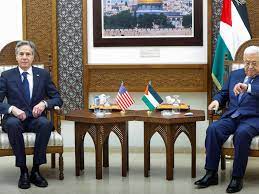
In 2007, the diplomatic landscape in the Middle East underwent significant shifts as the United States and Israel took a firm stance of non-engagement with the Palestinian Authority (PA). This decision reflected deep-seated tensions and concerns regarding the political dynamics within the Palestinian territories, particularly following the rise of Hamas, a militant Islamist group, to power.

The roots of the diplomatic standoff can be traced back to the Palestinian legislative elections held in January 2006. In a surprising turn of events, Hamas emerged victorious, securing a majority of seats in the Palestinian Legislative Council (PLC) and effectively ending decades of dominance by the Fatah movement, which had long been the dominant political force within the Palestinian Authority.

The success of Hamas at the ballot box sent shockwaves throughout the region and posed a significant challenge to both the Palestinian leadership and the international community. Hamas, which is considered a terrorist organization by the United States, Israel, and several other countries, espouses a militant ideology and has been responsible for numerous attacks against Israeli civilians.

In response to Hamas' electoral victory, the United States and Israel adopted a policy of non-engagement with the Palestinian Authority, viewing Hamas as an illegitimate and unacceptable partner for peace negotiations. Both countries cut off diplomatic ties with the PA and imposed economic sanctions in an effort to isolate Hamas and pressure it to renounce violence, recognize Israel's right to exist, and adhere to previous agreements signed between the Palestinians and Israelis.

The decision by the United States and Israel not to engage with the Palestinian Authority had profound implications for the Palestinian people and the broader peace process in the Middle East. The PA, led by President Mahmoud Abbas of Fatah, found itself caught in the crossfire between Hamas and its international backers, on one hand, and the United States and Israel, on the other.

The policy of non-engagement exacerbated existing divisions within Palestinian society, deepening the rift between Hamas-controlled Gaza and Fatah-dominated areas of the West Bank. The lack of diplomatic dialogue and cooperation hindered efforts to achieve a lasting peace settlement and left many Palestinians disillusioned with the prospects for a negotiated resolution to the conflict.

Despite the diplomatic impasse, efforts to revive peace talks between Israelis and Palestinians continued, albeit with limited success. International initiatives such as the Annapolis Conference in 2007 and subsequent rounds of negotiations sought to bridge the gap between the two sides and lay the groundwork for a two-state solution. However, deep-rooted mistrust and entrenched political divisions continued to hamper progress towards a comprehensive peace agreement.

In the years since the breakdown of diplomatic relations between the United States, Israel, and the Palestinian Authority, efforts to revive dialogue and reinvigorate the peace process have remained elusive. The situation in the region remains fraught with tension and uncertainty, with sporadic outbreaks of violence and ongoing challenges to the prospects for peace.