The repeal of the 18th Amendment in 1933 marked a significant turning point in American history, bringing an end to the era of Prohibition and the nationwide ban on the manufacture, sale, and transportation of alcoholic beverages. This momentous event, accomplished through the ratification of the 21st Amendment, reflected a profound shift in public sentiment and policy, as well as the culmination of a prolonged and contentious debate over the role of government in regulating morality and personal behavior.

Enacted in 1919, the 18th Amendment to the United States Constitution was a culmination of decades of activism by the temperance movement, which sought to address the perceived social ills associated with alcohol consumption, including crime, poverty, and domestic violence. Prohibition enjoyed broad support from various segments of society, including religious groups, women's organizations, and social reformers, who viewed it as a means of promoting public health and morality.

However, the implementation of Prohibition proved to be fraught with challenges and unintended consequences. The rise of organized crime, speakeasies, and bootlegging operations undermined the effectiveness of the law, while the illicit production and consumption of alcohol flourished in defiance of government regulations. Enforcement efforts proved inadequate and often corrupt, as law enforcement officials struggled to police a black market fueled by the demand for alcohol.

Moreover, Prohibition gave rise to a culture of rebellion and defiance, as Americans flouted the law in pursuit of personal freedom and enjoyment. The Roaring Twenties became synonymous with jazz, flappers, and the illicit consumption of alcohol, as speakeasies proliferated and bootleggers became folk heroes in popular culture.

By the early 1930s, it became increasingly clear that Prohibition had failed to achieve its intended objectives. The social and economic costs of enforcement were mounting, while public support for the ban waned in the face of widespread noncompliance and growing disillusionment with the efficacy of government intervention in private affairs.

The repeal movement gained momentum in the lead-up to the 1932 presidential election, with both major political parties expressing support for ending Prohibition. In November of that year, Franklin D. Roosevelt was elected president on a platform that included a pledge to repeal the 18th Amendment and restore the legal sale of alcohol.

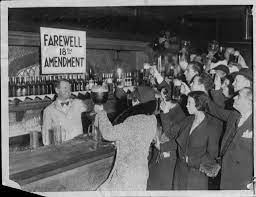
Upon taking office in March 1933, Roosevelt wasted no time in fulfilling his campaign promise. On December 5, 1933, the 21st Amendment was ratified, officially repealing the 18th Amendment and bringing an end to Prohibition. The repeal of Prohibition was met with widespread celebration and relief, as Americans rejoiced at the prospect of once again legally enjoying alcoholic beverages.

The repeal of the 18th Amendment had far-reaching implications for American society and culture. It marked the end of a failed experiment in social engineering and the recognition of individual rights and freedoms. The legalization of alcohol served as a catalyst for economic growth and innovation in the beverage industry, while also providing much-needed tax revenue during the Great Depression.

Overall, the repeal of the 18th Amendment represented a triumph of pragmatism over ideology, as policymakers acknowledged the limitations of government intervention in regulating personal behavior. It remains a testament to the enduring principles of democracy and the capacity for change in the face of evolving social attitudes and values.