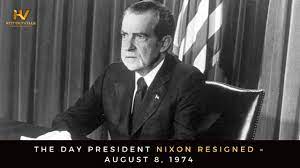
In 1974, the United States was rocked by a shocking event when a young man named Samuel Byck attempted to assassinate President Richard Nixon. Byck's foiled plot, known as the "Nixon assassination attempt," unfolded against the backdrop of a nation grappling with political turmoil and social unrest.

The attempted assassination took place on February 22, 1974, less than six months before Nixon would resign from the presidency amid the Watergate scandal. Byck, a disgruntled former tire salesman with a history of mental health issues, harbored deep-seated grievances against Nixon and the government.

Byck's motivation for the assassination attempt stemmed from his belief that Nixon was responsible for his personal and financial troubles. He was particularly incensed by Nixon's policies and perceived injustices, including his handling of the Vietnam War and his administration's perceived corruption.

Byck meticulously planned his attack, intending to hijack a commercial airliner and crash it into the White House while Nixon was inside. He believed that this act would not only kill Nixon but also serve as a symbolic strike against what he saw as an oppressive and corrupt government.

On the day of the planned attack, Byck arrived at the Baltimore-Washington International Airport armed with a revolver and a homemade bomb. He attempted to hijack a Delta Air Lines flight bound for Atlanta, intending to divert the plane to Washington, D.C. However, his plan was thwarted when he was confronted by the pilot and a security guard.

In a desperate bid to carry out his mission, Byck shot and killed the pilot before turning the gun on himself. The plane never left the ground, and no passengers were harmed in the incident. Byck's assassination attempt was unsuccessful, but it sent shockwaves across the nation and raised serious concerns about the security of the president and the vulnerability of air travel.

The Nixon assassination attempt came at a time of heightened political tension and public scrutiny of the presidency. Nixon's approval ratings had plummeted in the wake of the Watergate scandal, and calls for his resignation were growing louder by the day.

Although Byck's attempt on Nixon's life did not directly lead to the president's downfall, it served as a grim reminder of the challenges facing the nation and the deep divisions within American society. The incident underscored the need for greater security measures to protect the president and other public officials from acts of violence and terrorism.

In the aftermath of the assassination attempt, security protocols were strengthened, particularly for air travel and presidential events. The Secret Service implemented stricter screening procedures for passengers and increased surveillance of potential threats.

The Nixon assassination attempt also sparked debates about mental health care and the treatment of individuals with psychiatric disorders. Byck's troubled history and apparent mental instability raised questions about the adequacy of mental health services and the need for greater support and intervention for those struggling with mental illness.

Ultimately, the Nixon assassination attempt stands as a tragic and cautionary tale of the dangers of political extremism and the fragility of democracy. It serves as a reminder of the importance of vigilance, resilience, and unity in the face of threats to the nation and its leaders.