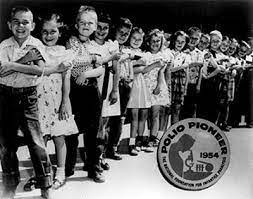
In 1954, the United States embarked on a monumental public health initiative that would forever change the landscape of medicine and disease prevention: the introduction of the polio vaccine. Developed by Dr. Jonas Salk, the vaccine represented a beacon of hope in the fight against poliomyelitis, commonly known as polio, a highly contagious viral disease that had plagued communities across the nation for decades, leaving devastation in its wake.

The 1950s were a time of fear and uncertainty surrounding polio. The disease, which primarily affected children, could lead to paralysis, respiratory failure, and even death. Epidemics would sweep through towns and cities, leaving families shattered and communities in mourning. Parents lived in constant dread during the summer months, when polio cases typically surged. Public swimming pools and movie theaters were often deserted, as people feared crowded spaces where the virus could easily spread.

Amidst this atmosphere of fear and desperation, Dr. Jonas Salk, a virologist at the University of Pittsburgh, dedicated himself to finding a solution to this devastating disease. After years of tireless research and experimentation, Salk and his team achieved a breakthrough. They developed a killed-virus vaccine, which, when injected, prompted the body's immune system to produce antibodies against the poliovirus without causing the disease itself.

The announcement of the successful vaccine trials in 1953 was met with euphoria and relief. The following year, on April 12, 1954, the largest field trial in medical history began. More than 1.8 million children, known as "Polio Pioneers," participated in the trial, receiving the vaccine or a placebo. Schools, churches, and community centers served as vaccination sites, with volunteers and healthcare workers administering the doses.

The trial's results were nothing short of miraculous. The vaccine was found to be safe and effective, with a success rate of over 90%. In April 1955, just one year after the trial began, the results were officially announced: the Salk vaccine was declared a triumph over polio. Dr. Salk became an overnight hero, hailed as a savior by millions around the world.

The introduction of the polio vaccine marked a turning point in the fight against infectious diseases. It was not only a triumph of science but also a testament to the power of collaboration and collective effort. The success of the vaccine sparked a wave of optimism and renewed faith in the ability of medicine to conquer even the most formidable adversaries.

The impact of the polio vaccine on American society was profound. It brought an end to the annual summer epidemics that had once terrorized communities. Parents no longer lived in fear of their children contracting polio, and public spaces regained their vitality as people felt safe to gather once again.

Moreover, the success of the polio vaccine paved the way for future advancements in vaccinology and public health. It served as a blueprint for the development of other vaccines, leading to the eradication or near-elimination of diseases such as measles, mumps, and rubella.

However, despite its remarkable success, the journey towards eradicating polio was far from over. Challenges remained, particularly in reaching underserved communities and overcoming vaccine hesitancy. Nevertheless, the introduction of the polio vaccine in 1954 marked a significant milestone in the ongoing battle against infectious diseases, leaving a legacy of hope, perseverance, and scientific achievement that continues to inspire generations to this day.