In 2014, President Barack Obama announced a significant shift in U.S. foreign policy with the decision to withdraw troops from Afghanistan, marking the end of America's longest-running war. This decision reflected a culmination of years of military engagement, diplomatic efforts, and shifting geopolitical dynamics in the region. The drawdown of troops represented a pivotal moment in the broader conversation about America's role in the world and the efficacy of military intervention as a means of achieving strategic objectives.

The United States' involvement in Afghanistan dated back to 2001, following the September 11 terrorist attacks orchestrated by the Taliban-supported al-Qaeda. In response, the U.S. led a coalition invasion to oust the Taliban regime and dismantle al-Qaeda's terrorist infrastructure. Over the subsequent years, the mission evolved from a focus on counterterrorism to nation-building and stabilization efforts aimed at fostering democracy, promoting human rights, and combating insurgency.

However, despite nearly two decades of military engagement and billions of dollars invested, the situation in Afghanistan remained complex and volatile. The Taliban insurgency persisted, gaining ground in various parts of the country and posing a significant challenge to the Afghan government's authority. Additionally, corruption, governance issues, and internal divisions hampered efforts to build a stable and prosperous nation.

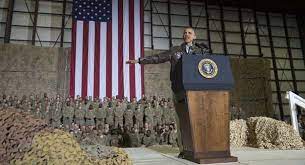
Against this backdrop, President Obama's decision to withdraw troops from Afghanistan signaled a recognition of the limitations of military force in achieving lasting stability and security. In a speech delivered from the White House Rose Garden on May 27, 2014, President Obama outlined his plan for a responsible transition of security responsibilities to the Afghan government, culminating in the complete withdrawal of U.S. combat troops by the end of 2016.

The decision to pull out troops from Afghanistan was met with a mix of support, skepticism, and concern. Proponents of the withdrawal argued that it was time for the Afghan government to assume greater responsibility for its own security and governance, and that continued U.S. military presence risked entrenching a perpetual state of conflict without achieving meaningful progress. They also highlighted the enormous human and financial costs of the war, both to the United States and to the Afghan people.

However, critics of the withdrawal raised concerns about the potential for a power vacuum in Afghanistan, which could be exploited by extremist groups like the Taliban and al-Qaeda. They warned that a premature withdrawal of troops could jeopardize hard-won gains in security and stability, and undermine efforts to build a functioning democracy. Additionally, there were fears that Afghanistan could once again become a safe haven for terrorists intent on attacking the United States and its allies.

In the years following the announcement of the withdrawal, the situation in Afghanistan remained fluid and uncertain. While the Afghan government continued to receive support from the United States and its allies, challenges persisted, including ongoing violence, political instability, and the resurgence of extremist groups. The drawdown of troops also raised questions about the future of U.S. involvement in the region and the broader implications for America's role in global affairs.