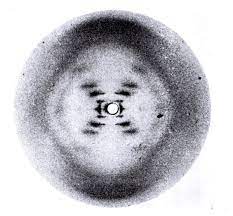
In the annals of scientific history, few discoveries have been as monumental and transformative as the elucidation of the DNA double helix structure. The year 1954 marks a crucial milestone in this journey of scientific exploration, as it was a period of intensive investigation and groundbreaking revelation in the field of molecular biology. It was during this time that the foundational blueprint of life was unveiled, forever altering our understanding of genetics, evolution, and the very essence of existence.

The story of the discovery of the DNA double helix begins with the work of James Watson and Francis Crick, two brilliant scientists at the Cavendish Laboratory in Cambridge, England. Building upon the research of numerous predecessors, including Rosalind Franklin and Maurice Wilkins, Watson and Crick embarked on a quest to unlock the structure of deoxyribonucleic acid (DNA), the molecule responsible for carrying genetic information in all living organisms.

Their breakthrough came on a cold February morning in 1953 when Watson and Crick famously announced that they had discovered the double helix structure of DNA. This revolutionary model depicted DNA as a twisted ladder, with two strands of nucleotides spiraling around each other in a helical fashion, held together by hydrogen bonds between complementary base pairs: adenine (A) pairing with thymine (T), and guanine (G) pairing with cytosine (C).

The significance of this discovery cannot be overstated. The DNA double helix provided the key to understanding how genetic information is encoded, replicated, and transmitted from one generation to the next. It laid the foundation for the field of molecular genetics and paved the way for countless advancements in medicine, agriculture, and biotechnology.

One of the most profound implications of the DNA double helix discovery was its role in unraveling the mysteries of heredity and evolution. By deciphering the structure of DNA, scientists gained unprecedented insight into the mechanisms of inheritance and the diversity of life on Earth. They could now trace the lineage of organisms, study genetic mutations, and explore the evolutionary relationships between species with unprecedented precision.

Moreover, the discovery of the DNA double helix sparked a flurry of research and innovation in the decades that followed. Scientists around the world raced to unlock the secrets encoded within the genetic code, leading to the deciphering of the human genome in the early 2000s and the emergence of new fields such as genomics, proteomics, and synthetic biology.

Beyond its scientific significance, the DNA double helix also captured the imagination of the public and became an enduring symbol of the power of human curiosity and ingenuity. Its elegant simplicity and profound complexity have inspired generations of scientists, educators, and enthusiasts, fueling a sense of wonder and awe at the intricate machinery of life.