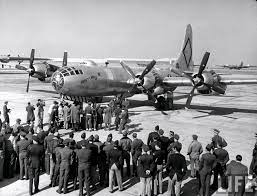
The Lucky Lady II was a B-50 Superfortress aircraft that made history in 1949 by completing the first non-stop around-the-world flight. This monumental achievement marked a significant milestone in aviation history and demonstrated the capabilities of long-range strategic bombers for global missions. The flight of the Lucky Lady II captured the imagination of the American public and showcased the technological prowess of the United States Air Force.

The idea of attempting a non-stop around-the-world flight had been discussed within the U.S. military for several years, but it was not until 1949 that the mission was finally put into action. The Lucky Lady II, under the command of Captain James Gallagher, was selected for the historic flight, which aimed to circumnavigate the globe without making any stops for refueling.

On February 26, 1949, the Lucky Lady II took off from Carswell Air Force Base in Fort Worth, Texas, embarking on its ambitious journey. The aircraft was specially modified for the mission, equipped with extra fuel tanks and navigational equipment to ensure a successful circumnavigation of the globe. The crew of the Lucky Lady II consisted of 14 members, including pilots, navigators, engineers, and support personnel.

The flight of the Lucky Lady II was not without its challenges. The crew faced extreme weather conditions, navigational difficulties, and logistical obstacles throughout the journey. However, the skilled crew and the reliable performance of the B-50 Superfortress allowed the aircraft to overcome these challenges and continue on its historic mission.

After flying for over 23,000 miles and spending more than 94 hours in the air, the Lucky Lady II successfully completed its around-the-world flight on March 2, 1949, when it landed back at Carswell Air Force Base. The crew was greeted as heroes upon their return, and their achievement was celebrated as a triumph of American ingenuity and aviation technology.

The successful flight of the Lucky Lady II had far-reaching implications for the United States Air Force and the field of aviation in general. The mission demonstrated the strategic capabilities of long-range bombers for global missions, showcasing the potential for rapid deployment and extended reach of military aircraft. The around-the-world flight also highlighted the importance of air refueling and advanced navigation systems for long-distance flights.

The achievement of the Lucky Lady II was a source of national pride for the United States, showcasing the country's technological prowess and military strength to the world. The successful completion of the around-the-world flight cemented the B-50 Superfortress and its crew as pioneers in the field of long-range aviation, paving the way for future advancements in strategic bombing and global air operations.