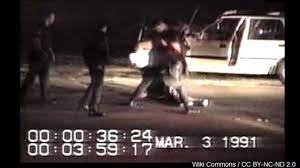
In 1991, a shocking incident of police brutality captured on film brought issues of racial discrimination and excessive use of force by law enforcement into the national spotlight in the United States. The video footage of the beating of Rodney King by Los Angeles police officers sparked outrage, protests, and a national conversation about police misconduct, accountability, and the treatment of minorities in the criminal justice system. The events of 1991 marked a turning point in the public's awareness of police brutality and its impact on communities across the country.

The incident involving Rodney King occurred on March 3, 1991, when King, a black motorist, was pulled over by the Los Angeles Police Department after a high-speed chase. A bystander, George Holliday, captured the encounter on video, which showed several white police officers brutally beating and kicking King while he lay on the ground. The graphic footage of the beating shocked the nation and raised serious concerns about the use of excessive force and racial bias in law enforcement.

The video of Rodney King's beating quickly went viral, circulating on television news programs and sparking public outrage and condemnation. The incident became a focal point for discussions about police brutality, racial profiling, and systemic racism within the criminal justice system. The footage of King's beating served as a stark reminder of the abuse of power by some law enforcement officers and the need for accountability and reform within police departments.

In the aftermath of the Rodney King beating, protests erupted in Los Angeles and other cities across the country, with demonstrators demanding justice for King and an end to police violence against minority communities. The trial of the four police officers involved in the beating, which took place in 1992, further inflamed tensions as the officers were acquitted of all charges, leading to widespread unrest and violence in Los Angeles in what became known as the Rodney King riots.

The events of 1991 involving Rodney King and the subsequent trial of the officers highlighted the deep-rooted issues of police brutality and racial injustice in the United States. The case brought to light the disparities in how law enforcement interacts with different communities and underscored the urgent need for police reform and accountability. The video footage of King's beating served as a catalyst for change, prompting a national reckoning on the role of law enforcement in society and the need to address systemic issues of bias and discrimination.

The impact of the Rodney King incident reverberated far beyond 1991, shaping public perceptions of policing and influencing efforts to reform law enforcement practices. The case led to increased scrutiny of police conduct, calls for greater transparency and oversight, and demands for meaningful changes to address racial disparities in the criminal justice system. The legacy of the Rodney King beating continues to inform ongoing debates about police brutality, accountability, and the relationship between law enforcement and the communities they serve.