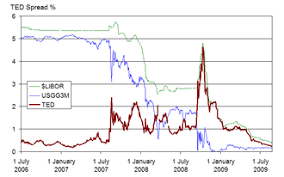
In 2008, the world witnessed a significant and widespread decline in stock markets as fears of a global recession gripped investors and financial markets. The year 2008 marked a period of extreme volatility and uncertainty in the financial sector, as a confluence of factors, including the subprime mortgage crisis, credit crunch, and economic slowdown, led to sharp declines in stock prices and widespread panic among investors.

The roots of the 2008 financial crisis can be traced back to the bursting of the U.S. housing bubble and the subsequent collapse of the subprime mortgage market. As housing prices plummeted and mortgage defaults soared, financial institutions around the world found themselves holding toxic assets backed by subprime loans, leading to a liquidity crisis and a loss of confidence in the banking system.

The impact of the subprime mortgage crisis reverberated throughout the global economy, triggering a domino effect that spread to other sectors and markets. As banks struggled to contain their losses and credit markets froze up, businesses faced difficulties accessing capital, consumers cut back on spending, and economic growth slowed significantly. The specter of a deep and prolonged recession loomed large, sending shockwaves through stock markets worldwide.

In response to the escalating financial turmoil, stock markets around the world experienced sharp and sustained declines in 2008. Major stock indices, including the Dow Jones Industrial Average, the S&P 500, and the FTSE 100, all recorded significant losses as investors rushed to sell off their holdings and seek safer assets. The rapid and widespread sell-off in stock markets reflected growing concerns about the health of the global economy and the ability of governments and central banks to contain the crisis.

The fallout from the 2008 financial crisis was felt in virtually every corner of the world, as countries grappled with the economic fallout of the recession and sought to stabilize their financial systems. Governments and central banks implemented a range of measures to shore up their economies, including interest rate cuts, stimulus packages, and bank bailouts, in an effort to restore confidence and prevent a full-blown economic collapse.

The impact of the 2008 stock market crash was profound and far-reaching, leading to job losses, business closures, and a widespread erosion of wealth for investors and households. The crisis exposed deep-seated vulnerabilities in the global financial system and underscored the interconnectedness of economies in an increasingly globalized world. The events of 2008 served as a wake-up call for policymakers, regulators, and market participants, highlighting the need for greater oversight, transparency, and risk management in the financial sector.

Despite the severity of the 2008 financial crisis, the global economy eventually began to recover, thanks in part to the coordinated efforts of governments and central banks to stabilize markets and support economic growth. The lessons learned from the crisis prompted reforms to strengthen the financial system, enhance regulatory oversight, and improve risk management practices to prevent a similar meltdown in the future.