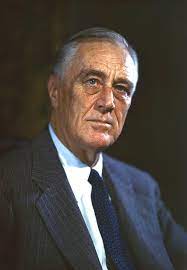
In 1933, Franklin D. Roosevelt assumed the presidency of the United States during one of the most challenging periods in the nation's history. Roosevelt, often referred to as FDR, took office at the height of the Great Depression, a time of widespread economic hardship, high unemployment, and social upheaval. As the 32nd President of the United States, Roosevelt embarked on a bold and ambitious agenda to address the economic crisis, restore confidence in the government, and bring about lasting change through his New Deal programs.

Franklin D. Roosevelt was inaugurated as President on March 4, 1933, in the midst of the Great Depression, which had plunged the country into a deep and prolonged economic downturn. Roosevelt's leadership style and approach to governance were marked by optimism, energy, and a willingness to experiment with bold and innovative solutions to the nation's problems. In his inaugural address, Roosevelt famously declared, "The only thing we have to fear is fear itself," signaling his determination to inspire hope and confidence in the American people during a time of great uncertainty.

One of Roosevelt's first actions as President was to launch his New Deal program, a series of sweeping economic and social reforms aimed at providing relief to the unemployed, stimulating economic recovery, and reforming the financial system. The New Deal encompassed a wide range of initiatives, including the creation of public works programs, financial regulations, and social welfare programs designed to alleviate the suffering of those hardest hit by the Depression.

One of the most notable achievements of Roosevelt's first term was the passage of the Emergency Banking Act, which aimed to stabilize the nation's banking system and restore public confidence in the financial sector. Through a series of executive orders and legislative measures, Roosevelt implemented a comprehensive set of reforms to regulate the banking industry, protect depositors' funds, and prevent future bank failures.

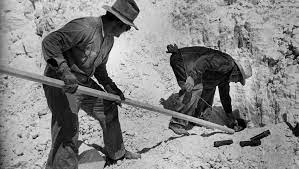
Roosevelt's New Deal also included the establishment of programs such as the Civilian Conservation Corps (CCC), the Works Progress Administration (WPA), and the Tennessee Valley Authority (TVA), which provided jobs, infrastructure development, and economic stimulus to communities across the country. These programs not only helped alleviate the immediate suffering of the unemployed but also laid the foundation for long-term economic growth and social progress.

In addition to his domestic agenda, Roosevelt also faced significant challenges on the international front during his presidency. As the world grappled with the rise of totalitarian regimes in Europe and Asia, Roosevelt sought to position the United States as a global leader in promoting democracy, human rights, and international cooperation. Roosevelt's foreign policy initiatives, such as the Good Neighbor Policy and the lend-lease program, aimed to strengthen relations with other countries and support allies in the fight against tyranny and aggression.

Roosevelt's leadership during the Great Depression and World War II earned him widespread admiration and respect both at home and abroad. His innovative policies, bold initiatives, and unwavering commitment to the well-being of the American people helped steer the country through some of its darkest hours and laid the groundwork for a more prosperous and secure future.