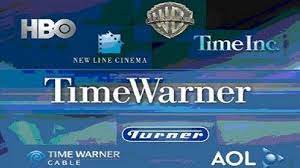
In 1989, a landmark merger took place in the United States between Time Inc. and Warner Communications, creating one of the largest media and entertainment conglomerates in the world. The merger between Time Inc., a leading publishing company, and Warner Communications, a major player in the entertainment industry, marked a significant consolidation of power and resources in the media landscape and set the stage for a new era of cross-platform content creation and distribution.

The merger between Time Inc. and Warner Communications was announced in March 1989, following months of negotiations and discussions between the two companies. The deal, valued at over $14 billion, brought together two industry giants with complementary strengths and assets, including Time Inc.'s portfolio of magazines, books, and cable television networks, and Warner Communications' film and television studios, music labels, and cable channels.

The merger between Time Inc. and Warner Communications was driven by a desire to capitalize on the growing convergence of media and entertainment industries and to create a diversified and integrated media company with a global reach. By combining their respective resources, expertise, and content libraries, Time Warner, as the new entity was named, aimed to leverage synergies across its various businesses and deliver a wide range of entertainment and information products to consumers around the world.

One of the key motivations behind the Time Inc. and Warner merger was the increasing competition and consolidation within the media industry, driven by advances in technology, changing consumer preferences, and the globalization of media markets. By joining forces, Time Warner sought to strengthen its position in the marketplace, expand its audience reach, and enhance its competitive edge against other media conglomerates.

The merger between Time Inc. and Warner Communications was met with both excitement and skepticism from industry observers, who recognized the potential benefits of the deal but also raised concerns about its impact on competition, diversity of voices, and cultural expression in the media landscape. Critics of the merger warned that the consolidation of power in the hands of a few large corporations could stifle creativity, limit consumer choice, and undermine the principles of a free and diverse media ecosystem.

Following the completion of the merger, Time Warner embarked on a series of strategic initiatives to integrate its various businesses, streamline operations, and capitalize on new growth opportunities in emerging markets and digital platforms. The company expanded its presence in cable television, film production, music distribution, and online services, becoming a dominant force in the entertainment industry and a major player in the global media landscape.

Despite its initial success, the merger between Time Inc. and Warner Communications faced challenges in the years that followed, including internal conflicts, financial pressures, and changing market dynamics. In 2000, Time Warner announced a merger with AOL, creating AOL Time Warner, a move that ultimately proved to be costly and challenging for the company.