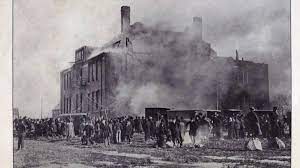
In 1908, one of the deadliest school fires in American history occurred at the Collinwood School in Collinwood, Ohio, leaving a devastating impact on the community and sparking nationwide concern for fire safety in schools. The tragic event, known as the Collinwood school fire, highlighted the urgent need for improved building codes, fire prevention measures, and emergency preparedness in educational institutions across the country.

On March 4, 1908, a normal school day at the Lake View School in Collinwood turned into a nightmare when a fire broke out in the basement of the building. The exact cause of the fire remains unknown, but it is believed to have started in the basement furnace room and quickly spread throughout the wooden structure of the school. The rapid spread of the fire was exacerbated by the lack of fire-resistant materials, inadequate building design, and limited means of egress in the school building.

As the fire engulfed the school, chaos and confusion ensued as teachers and students tried to evacuate the building. Tragically, many of the school's exits were blocked or locked, preventing escape for those trapped inside. The lack of fire drills, emergency procedures, and fire safety education further contributed to the high death toll in the Collinwood school fire. In total, 172 people lost their lives in the blaze, including 172 students and 2 teachers, making it one of the deadliest school fires in American history.

The Collinwood school fire sent shockwaves across the nation and prompted a widespread outcry for improved fire safety standards in schools. In the aftermath of the tragedy, investigations revealed numerous deficiencies in the school building, including the absence of fire escapes, inadequate exits, and flammable construction materials. The disaster underscored the importance of fire prevention, building codes, and emergency preparedness in ensuring the safety of students and staff in educational facilities.

The Collinwood school fire also led to a renewed focus on fire safety education and training for teachers, students, and school administrators. Fire drills, evacuation procedures, and fire safety lessons became standard practices in schools across the country as a result of the tragedy. The National Fire Protection Association (NFPA) and other organizations developed guidelines and standards for fire safety in schools, emphasizing the importance of early detection, rapid evacuation, and effective fire suppression measures.

In the years following the Collinwood school fire, significant reforms were implemented to improve fire safety in schools and prevent similar tragedies from occurring. New building codes required fire-resistant construction materials, multiple means of egress, and fire alarm systems in school buildings. Fire drills and emergency preparedness training became mandatory practices in educational institutions, ensuring that students and staff were prepared to respond in the event of a fire emergency.

The legacy of the Collinwood school fire lives on as a stark reminder of the importance of fire safety in schools and the devastating consequences of inadequate fire prevention measures. The tragedy served as a catalyst for significant changes in building codes, fire safety regulations, and emergency preparedness practices in schools, ultimately leading to a safer and more secure learning environment for students and educators nationwide.