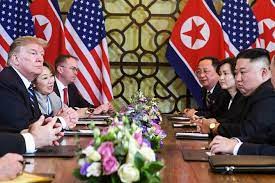
In 2007, diplomatic relations between North Korea and the United States reached a significant milestone as representatives from both countries engaged in talks in New York. These talks marked a rare opportunity for dialogue between the two nations, which had long been at odds over issues such as North Korea's nuclear program, human rights violations, and regional security concerns. The meeting in New York represented a crucial moment in efforts to address tensions and find common ground between the two countries.

The relationship between North Korea and the United States had been characterized by decades of hostility, marked by periods of heightened tensions and occasional attempts at diplomacy. North Korea's pursuit of nuclear weapons and ballistic missile programs had been a major source of concern for the international community, leading to sanctions and diplomatic isolation for the reclusive regime. The United States, along with its allies, had been engaged in efforts to curb North Korea's nuclear ambitions and push for denuclearization on the Korean Peninsula.

Against this backdrop, the talks held in New York in 2007 offered a glimmer of hope for potential progress in addressing the longstanding issues between North Korea and the United States. The discussions, which were facilitated by diplomatic channels and intermediaries, provided an opportunity for both sides to exchange views, express concerns, and explore possible avenues for cooperation and resolution of key issues.

One of the central topics of discussion during the talks was North Korea's nuclear program, which had been a major point of contention between the two countries for years. The United States had been pushing for North Korea to abandon its nuclear weapons program and comply with international non-proliferation agreements, while North Korea sought security guarantees and recognition from the United States in exchange for denuclearization steps.

The talks in New York allowed for frank and direct dialogue on these sensitive issues, with both sides presenting their respective positions and concerns. Diplomats and officials from both countries engaged in negotiations aimed at finding common ground and building trust, despite the deep-seated mistrust and animosity that had long characterized their relationship.

In addition to the nuclear issue, the talks in New York also touched on broader regional security concerns, including North Korea's relations with its neighbors and the stability of the Korean Peninsula. The United States sought to address not only the nuclear threat posed by North Korea but also the need for peace and stability in the region, highlighting the interconnected nature of security challenges in Northeast Asia.

The talks in New York represented a diplomatic breakthrough in the often tumultuous relationship between North Korea and the United States. While the discussions did not lead to immediate or concrete agreements, they laid the groundwork for future engagement and dialogue between the two countries. The willingness of both sides to come to the table and engage in constructive dialogue was a positive step towards building trust and understanding, even in the face of significant differences and challenges.

Overall, the talks between North Korea and the United States in New York in 2007 reflected a shared recognition of the importance of diplomacy and dialogue in addressing complex security issues and fostering peaceful relations. While the road to reconciliation and resolution remained long and challenging, the meetings in New York served as a reminder of the potential for progress and cooperation when nations are willing to engage in dialogue and seek common ground.