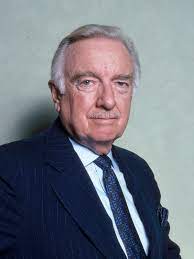
In 1981, the United States bid farewell to one of the most iconic figures in broadcast journalism, Walter Cronkite. Known as the "most trusted man in America," Cronkite had served as the anchor of the CBS Evening News for nearly two decades, shaping the way Americans received and understood the news during a tumultuous period in the nation's history. His retirement in 1981 marked the end of an era in American journalism and left a lasting legacy that continues to influence the field to this day.

Walter Cronkite's career as a journalist spanned over five decades and encompassed some of the most significant events of the 20th century. From his early days as a war correspondent during World War II to his tenure as the anchor of the CBS Evening News, Cronkite established himself as a trusted and authoritative voice in American journalism. His calm demeanor, authoritative delivery, and unwavering commitment to accuracy and integrity earned him the respect and admiration of millions of viewers across the country.

Throughout the 1960s and 1970s, Cronkite guided Americans through a turbulent period in U.S. history, reporting on events such as the civil rights movement, the Vietnam War, the Watergate scandal, and the Apollo moon landing. His coverage of these historic events not only informed the public but also helped shape public opinion and influence national discourse on critical issues facing the nation. Cronkite's famous sign-off, "And that's the way it is," became synonymous with trust and reliability in journalism.

In 1981, after 19 years as the anchor of the CBS Evening News, Walter Cronkite announced his retirement, marking the end of an era in American news broadcasting. His departure from the anchor chair was met with widespread acclaim and recognition for his contributions to the field of journalism. Cronkite's retirement was not just the end of a career but a moment of reflection on the role of the media in shaping public discourse and holding those in power accountable.

Following his retirement, Walter Cronkite remained active in public life, serving as a special correspondent for CBS News and continuing to lend his voice to important issues and causes. He became an advocate for press freedom, media literacy, and journalistic integrity, using his platform to champion the values of truth, transparency, and accountability in the media. Cronkite's influence extended beyond the newsroom, as he became a trusted voice of reason and a symbol of journalistic excellence for generations of journalists and news consumers.

Walter Cronkite's impact on American journalism and society at large cannot be overstated. His legacy as a pioneering journalist, trusted news anchor, and advocate for the principles of democracy and free speech continues to resonate in an era of rapidly evolving media landscapes and changing news consumption habits. Cronkite's dedication to truth-telling, his commitment to informing the public, and his unwavering integrity serve as a model for journalists and media professionals seeking to uphold the highest standards of ethical journalism.