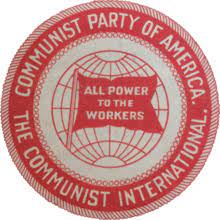
The year 1932 was a pivotal time for the Communist Party of America (CPUSA) as it navigated the challenges and opportunities of the Great Depression and the rise of global communism. The CPUSA, founded in 1919, played a significant role in American politics and society during the early 20th century, advocating for socialist ideals, workers' rights, and social justice. In 1932, the Communist Party of America found itself at a crossroads, facing internal divisions, external pressures, and the need to adapt to changing political and social dynamics in the United States.

During the early 1930s, the United States was grappling with the devastating effects of the Great Depression, which had plunged the country into economic turmoil and social upheaval. The Communist Party of America saw an opportunity to capitalize on the widespread discontent and economic hardship facing millions of Americans, as it sought to advance its socialist agenda and mobilize support for radical change. The CPUSA's message of workers' rights, social equality, and anti-capitalism resonated with many Americans who were disillusioned with the failures of the capitalist system.

In 1932, the Communist Party of America faced internal divisions and ideological debates that threatened to undermine its unity and effectiveness. The party was torn between competing factions, including those who advocated for a more moderate and pragmatic approach to politics and those who espoused a more radical and revolutionary agenda. These internal divisions reflected broader tensions within the global communist movement, as different factions vied for control and influence over the direction of the party.

Externally, the Communist Party of America faced intense scrutiny and repression from the U.S. government and law enforcement agencies, who viewed communism as a threat to national security and social stability. The party was subjected to surveillance, harassment, and persecution, as authorities sought to suppress its activities and limit its influence on American society. Despite these challenges, the CPUSA remained resilient and continued to organize, mobilize, and advocate for its socialist vision of a more just and equitable society.

The year 1932 also marked a significant moment in global communism, as the Soviet Union emerged as a powerful and influential force on the world stage. The rise of the Soviet Union under Joseph Stalin's leadership had a profound impact on the Communist Party of America, shaping its ideology, tactics, and goals. The CPUSA looked to the Soviet Union as a model of socialist revolution and sought to emulate its achievements in advancing the cause of communism worldwide.

In the face of internal divisions, external pressures, and the challenges of the Great Depression, the Communist Party of America in 1932 continued to advocate for workers' rights, social justice, and radical political change. The party mobilized support among labor unions, minority communities, and disenfranchised groups, seeking to build a broad-based coalition of supporters who shared its vision of a more equitable and democratic society. Despite facing repression and opposition, the CPUSA remained committed to its goal of transforming American society and challenging the status quo.