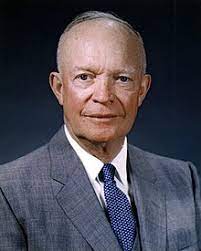
In 1961, the United States bid farewell to President Dwight D. Eisenhower, a respected leader who had guided the nation through a period of significant change and transition. Eisenhower, a former five-star general in the U.S. Army and the Supreme Commander of the Allied Expeditionary Forces in Europe during World War II, served as the 34th President of the United States from 1953 to 1961. His presidency was marked by a focus on national security, economic prosperity, and the challenges of the Cold War, as well as significant domestic accomplishments that left a lasting impact on American society.

Dwight D. Eisenhower, often referred to as "Ike," was a popular and well-regarded figure in American politics, known for his calm and steady leadership style, his commitment to bipartisanship, and his dedication to public service. As President, Eisenhower faced a number of complex challenges, both at home and abroad, including the growing threat of communism, the struggle for civil rights, and the need to maintain economic stability and growth in the post-World War II era.

One of Eisenhower's most notable achievements as President was his focus on national security and defense. During his time in office, Eisenhower oversaw the end of the Korean War and worked to contain the spread of communism around the world. He implemented a policy of "containment" that sought to prevent the further expansion of Soviet influence and aggression, while also advocating for a strong national defense and military readiness to deter potential threats.

In 1961, as Eisenhower prepared to leave office, he delivered a farewell address to the nation that warned of the dangers of the growing "military-industrial complex" – the close relationship between the defense industry, the military, and the government that he feared could lead to excessive military spending, the erosion of civil liberties, and the perpetuation of a permanent state of war. Eisenhower's warning about the influence of the military-industrial complex remains relevant today and continues to shape debates about defense policy, government spending, and national security.

In addition to his focus on national security, Eisenhower also made significant strides in domestic policy during his presidency. He championed the construction of the interstate highway system, a massive infrastructure project that transformed transportation in the United States and facilitated economic growth and development. Eisenhower also signed into law the Civil Rights Act of 1957, the first major civil rights legislation since Reconstruction, which aimed to protect the voting rights of African Americans and address racial discrimination in the South.

As President, Dwight D. Eisenhower left a legacy of leadership, integrity, and service to the nation. His commitment to national security, economic prosperity, and social progress helped shape the course of American history during a pivotal period of the 20th century. Eisenhower's farewell in 1961 marked the end of an era in American politics and the passing of a respected and admired leader who had guided the nation through challenging times with wisdom, courage, and foresight.