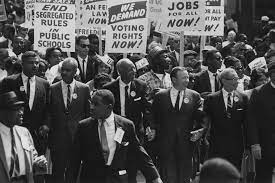
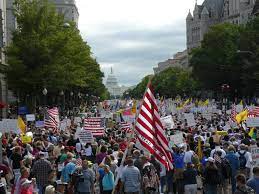
In 1965, the United States witnessed a pivotal moment in the Civil Rights Movement with the historic civil rights marches that took place throughout the country. This year marked a time of heightened activism, advocacy, and mobilization as African Americans and their allies fought for racial equality, justice, and an end to segregation and discrimination. The civil rights marches of 1965 played a crucial role in raising awareness, galvanizing support, and pressuring the government to enact meaningful change to advance civil rights and social justice in America.

One of the most iconic civil rights marches of 1965 was the Selma to Montgomery march in Alabama. Led by civil rights leaders such as Martin Luther King Jr., John Lewis, and others, the march aimed to protest the disenfranchisement of African American voters and demand the right to vote for all citizens, regardless of race. The marchers faced violent opposition from local law enforcement and white supremacist groups, culminating in the infamous "Bloody Sunday" on March 7, 1965, when marchers were brutally attacked as they attempted to cross the Edmund Pettus Bridge in Selma.

The shocking violence of "Bloody Sunday" drew national attention to the plight of African Americans in the South and the urgent need for voting rights legislation. The events in Selma sparked outrage and solidarity across the country, leading to a groundswell of support for the civil rights movement and the passage of the Voting Rights Act of 1965. This landmark legislation, signed into law by President Lyndon B. Johnson, prohibited racial discrimination in voting practices and helped secure the right to vote for millions of African Americans who had been systematically disenfranchised.

In addition to the Selma to Montgomery march, 1965 also saw other significant civil rights marches and demonstrations across the United States. In Chicago, civil rights activists led by Martin Luther King Jr. protested against housing discrimination and segregation in the city, highlighting the systemic barriers faced by African Americans in accessing quality housing and equal opportunities. The Chicago Freedom Movement, as it was known, brought attention to the pervasive racism and inequality that persisted in the North, challenging the notion that civil rights issues were limited to the South.

The civil rights marches of 1965 were not only about securing legal rights and protections for African Americans but also about challenging societal attitudes, norms, and structures that perpetuated racism and inequality. The marches served as a powerful form of nonviolent resistance and civil disobedience, drawing on the principles of Mahatma Gandhi and the teachings of Martin Luther King Jr. to effect social change through peaceful means. The courage, determination, and resilience of the marchers inspired a new generation of activists and advocates to join the fight for racial justice and equality.

The legacy of the civil rights marches of 1965 continues to resonate in American society today, reminding us of the ongoing struggle for racial equality and the importance of standing up against injustice and oppression. The sacrifices and achievements of those who participated in the marches, from Selma to Chicago and beyond, paved the way for progress in civil rights, social justice, and human rights for all Americans. The spirit of unity, solidarity, and determination that defined the civil rights marches of 1965 serves as a beacon of hope and inspiration for future generations as they continue the work of building a more inclusive and equitable society.