In 1933, the United States faced one of the most severe financial crises in its history with the onset of the Great Depression, a period of widespread unemployment, bank failures, and economic hardship that gripped the nation. In response to the escalating financial panic and the collapse of the banking system, President Franklin D. Roosevelt and his administration swiftly enacted the Emergency Banking Act, a landmark piece of legislation aimed at stabilizing the banking industry, restoring public confidence, and preventing further economic collapse.

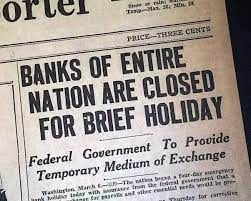
The Emergency Banking Act was signed into law by President Roosevelt on March 9, 1933, just days after he took office, as part of a series of bold measures known as the New Deal designed to address the economic crisis and provide relief to millions of Americans suffering from the effects of the Depression. The Act granted the President broad powers to regulate and oversee the banking system, including the authority to declare a national banking holiday to temporarily close all banks and prevent further runs on deposits.

One of the key provisions of the Emergency Banking Act was the authorization for the federal government to reorganize and restructure banks that were deemed insolvent or at risk of failure. Under the Act, the newly created Federal Deposit Insurance Corporation (FDIC) was established to provide deposit insurance and protect the savings of individual depositors, instilling confidence in the banking system and preventing future bank runs. The FDIC's guarantee of deposits up to a certain amount helped restore trust in the banking system and encourage people to return their money to banks rather than hoarding cash or valuables at home.

Another important aspect of the Emergency Banking Act was the rigorous examination and evaluation of all banks before they were allowed to reopen following the banking holiday. Banks were required to demonstrate their solvency, liquidity, and sound financial practices in order to resume operations, with the federal government providing oversight and support to ensure the stability and integrity of the banking system. This process of "bank holiday, reorganization, and reopening" helped weed out weak or fraudulent institutions while strengthening the overall health and resilience of the banking sector.

The swift and decisive action taken by President Roosevelt and his administration through the Emergency Banking Act had an immediate impact on restoring confidence in the financial system and stabilizing the economy. When the banks began to reopen on March 13, 1933, following the four-day banking holiday, millions of Americans lined up to redeposit their savings, signaling a turning point in the crisis and a renewed sense of optimism and trust in the government's ability to address the economic challenges facing the country.

The Emergency Banking Act was a critical first step in the broader effort to address the Great Depression and implement comprehensive reforms to regulate the financial industry, protect consumers, and promote economic recovery. The Act laid the foundation for future banking regulations and safeguards, including the Glass-Steagall Act and the Securities Act of 1933, which aimed to prevent another financial collapse and promote stability and transparency in the banking and securities markets.