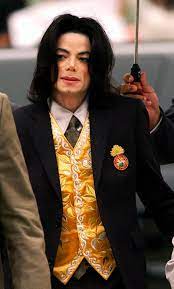
In 2005, the United States was captivated by the high-profile legal case involving pop music icon Michael Jackson, who faced charges of child molestation and conspiracy in a trial that attracted intense media scrutiny, public attention, and controversy. The case against Jackson, which unfolded in Santa Maria, California, shed light on the complexities of celebrity, justice, and the intersection of fame and the legal system, sparking debates about innocence, guilt, and the power dynamics at play in cases involving allegations of sexual misconduct.

The allegations against Michael Jackson stemmed from accusations made by a teenage boy who claimed that the singer had engaged in inappropriate and unlawful behavior with him at Jackson's Neverland Ranch, a sprawling estate where the pop star lived and entertained guests. The accusations, which included claims of molestation and providing alcohol to a minor, triggered a police investigation and ultimately led to Jackson being charged with multiple counts of child molestation and conspiracy to commit child abduction, false imprisonment, and extortion.

The trial of Michael Jackson in 2005 was a highly publicized and emotionally charged affair, with the media closely following every development and detail of the proceedings. Jackson, who had long been a controversial figure known for his eccentric behavior, changing appearance, and legal troubles, found himself at the center of a legal storm that threatened to tarnish his reputation and legacy as one of the biggest music stars in the world. The trial raised questions about the nature of fame, the responsibilities of celebrities, and the complexities of navigating the legal system under the intense scrutiny of the public eye.

Throughout the trial, both the prosecution and the defense presented compelling arguments and evidence to support their respective positions. The prosecution sought to portray Jackson as a predatory figure who had exploited his fame and influence to groom and manipulate vulnerable young boys for his own gratification, while the defense argued that Jackson was the victim of a malicious and coordinated attempt to extort money from him through false accusations and sensationalized claims.

One of the most dramatic moments of the trial came when the teenage accuser took the stand to testify against Jackson, recounting in detail the alleged incidents of abuse and manipulation that he claimed to have experienced at the hands of the pop star. The emotional testimony and graphic descriptions of the alleged abuse shocked and disturbed many observers, highlighting the gravity of the charges and the impact of sexual violence on victims and their families.

After a lengthy trial that lasted several months, the jury ultimately acquitted Michael Jackson on all counts, finding him not guilty of child molestation, conspiracy, and other charges. The verdict was met with a mix of relief, disbelief, and controversy, with some supporters celebrating Jackson's vindication and innocence, while others questioned the fairness and credibility of the legal process and the handling of the case by the prosecution and the defense.

The Michael Jackson case of 2005 had a lasting impact on the public perception of the singer, his music, and his legacy in the years that followed. Despite being cleared of criminal charges, Jackson's reputation and career were deeply affected by the allegations and the trial, leading to increased scrutiny, speculation, and criticism of his personal life and behavior. The case also raised broader questions about the intersection of celebrity, power, and justice in the legal system, prompting discussions about the challenges of prosecuting high-profile individuals and the complexities of addressing allegations of sexual misconduct in the public eye.