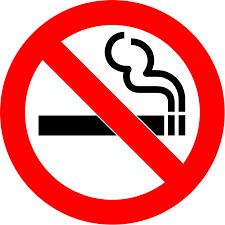
In 1994, the United States took a significant step in public health and workplace regulations with the implementation of non-smoking policies aimed at reducing exposure to secondhand smoke, promoting healthier environments, and curbing the harmful effects of tobacco use on individuals and communities. The adoption of non-smoking policies represented a major shift in societal attitudes towards smoking and tobacco consumption, reflecting a growing awareness of the health risks associated with smoking and the need to protect nonsmokers from the dangers of secondhand smoke.

The push for non-smoking policies in the United States gained momentum in the late 20th century as scientific research increasingly linked smoking to a range of serious health conditions, including lung cancer, heart disease, respiratory illnesses, and other chronic diseases. Studies showed that exposure to secondhand smoke, also known as passive smoking, could pose significant health risks to nonsmokers, particularly in enclosed spaces such as workplaces, restaurants, and public buildings where ventilation was limited and individuals were forced to inhale tobacco smoke involuntarily.

In response to these findings and the growing public health concerns surrounding smoking, many states and localities in the U.S. began to enact laws and regulations that restricted or prohibited smoking in public places, workplaces, and other indoor environments. Non-smoking policies typically banned smoking in enclosed areas, designated smoking sections, and certain outdoor spaces to protect nonsmokers from the harmful effects of secondhand smoke and create healthier, smoke-free environments for all individuals.

The adoption of non-smoking policies in the U.S. was met with a mix of support, resistance, and controversy from various stakeholders, including smokers, businesses, health advocates, and policymakers. Proponents of non-smoking policies argued that they were necessary to safeguard public health, reduce healthcare costs, and create smoke-free environments that promoted well-being and safety for all individuals. They pointed to the overwhelming evidence of the health risks associated with smoking and secondhand smoke exposure, as well as the social and economic benefits of reducing tobacco use and creating smoke-free spaces.

Opponents of non-smoking policies, on the other hand, raised concerns about individual rights, personal freedoms, and the potential impact on businesses, particularly in the hospitality and entertainment industries where smoking was prevalent and considered a cultural norm. Some critics argued that non-smoking policies infringed on smokers' rights to use tobacco products in public spaces and that businesses should have the autonomy to decide their own smoking policies based on consumer preferences and market demand.

Despite the controversy and challenges surrounding non-smoking policies, their implementation in the U.S. marked a significant milestone in public health and tobacco control efforts, setting a precedent for other countries and jurisdictions to follow suit in adopting similar regulations to protect individuals from the harmful effects of smoking and secondhand smoke exposure. Non-smoking policies not only helped reduce smoking rates and tobacco-related illnesses but also raised awareness about the dangers of tobacco use, promoted smoking cessation programs, and encouraged healthier lifestyles and behaviors among the population.

In the years following the introduction of non-smoking policies in the U.S., the movement towards smoke-free environments continued to gain momentum, with more states, cities, and businesses implementing stricter regulations and bans on smoking in public places. The shift towards smoke-free policies reflected a broader cultural shift towards prioritizing health, wellness, and clean air for all individuals, regardless of their smoking status or personal habits.