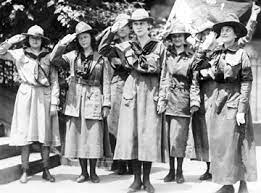
In 1912, a momentous event took place in the United States that would have a lasting impact on the lives of millions of girls and young women across the country: the founding of the Girl Scouts of America. The Girl Scouts of America was established by Juliette Gordon Low, a visionary and pioneering leader who sought to empower girls and young women, instill in them a sense of confidence, courage, and community service, and provide them with opportunities for personal growth, skill development, and leadership training.

Juliette Gordon Low, affectionately known as "Daisy," was inspired to create the Girl Scouts after meeting Sir Robert Baden-Powell, the founder of the Boy Scouts, during a trip to England. Impressed by the principles and values of the Boy Scouts, Low recognized the need for a similar organization for girls that would offer them opportunities for outdoor adventure, character-building activities, and community service, while also promoting self-reliance, leadership, and civic engagement.

On March 12, 1912, Juliette Gordon Low gathered a group of 18 girls in Savannah, Georgia, to form the first Girl Scout troop in the United States. The inaugural meeting marked the beginning of a movement that would grow into one of the largest and most influential youth organizations in the country, dedicated to fostering the potential and leadership abilities of girls and young women, and promoting the values of honesty, fairness, courage, and compassion.

From its humble beginnings in Savannah, the Girl Scouts of America quickly expanded its reach and impact, attracting girls from diverse backgrounds, cultures, and communities who were eager to join the sisterhood of scouting and participate in a wide range of activities and programs designed to develop their skills, talents, and interests. The organization's mission to build girls of courage, confidence, and character who make the world a better place resonated with girls and families across the country, inspiring a sense of purpose, belonging, and empowerment among its members.

One of the core principles of the Girl Scouts is the emphasis on outdoor adventure and environmental stewardship, encouraging girls to explore nature, learn outdoor skills, and develop a deep appreciation for the natural world. Through camping trips, hiking expeditions, and nature-based activities, Girl Scouts have the opportunity to connect with the environment, build resilience, and cultivate a sense of responsibility towards protecting and preserving the planet for future generations.

In addition to outdoor activities, the Girl Scouts of America offers a wide range of programs and initiatives focused on leadership development, entrepreneurship, STEM education, community service, and global awareness, providing girls with opportunities to discover their passions, pursue their interests, and make a positive impact in their communities and the world at large. The organization's commitment to fostering leadership, creativity, and social responsibility empowers girls to become confident, capable, and compassionate leaders who are equipped to navigate the challenges and opportunities of the 21st century.

Over the past century, the Girl Scouts of America has grown into a vibrant and dynamic organization with millions of members and volunteers nationwide, dedicated to empowering girls and young women to reach their full potential, embrace their unique talents, and contribute to a more just, equitable, and inclusive society. The legacy of Juliette Gordon Low and the founding of the Girl Scouts in 1912 continue to inspire generations of girls and young women to dream big, take risks, and lead with courage and compassion, embodying the spirit of sisterhood, service, and solidarity that lies at the heart of the Girl Scout movement.