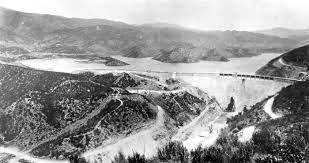
On March 12, 1928, one of the most tragic and devastating man-made disasters in American history occurred with the catastrophic failure of the St. Francis Dam in California. The St. Francis Dam, located in the San Francisquito Canyon near Los Angeles, was a key component of the Los Angeles Aqueduct system, designed to supply water to the rapidly growing city of Los Angeles and surrounding areas. However, the dam's failure unleashed a torrent of water that resulted in widespread destruction, loss of life, and profound environmental and social consequences.

The St. Francis Dam was constructed between 1924 and 1926 under the supervision of William Mulholland, the chief engineer of the Los Angeles Department of Water and Power. The dam was an ambitious engineering project designed to store water from the Los Angeles Aqueduct and provide a reliable water supply for the city's expanding population and infrastructure. However, the construction of the dam was plagued by design flaws, inadequate geological surveys, and poor construction practices that ultimately contributed to its tragic failure.

In the early hours of March 12, 1928, the St. Francis Dam experienced a catastrophic collapse, releasing a massive wall of water estimated to be over 12 billion gallons that surged down the San Francisquito Canyon, sweeping away everything in its path. The force of the floodwaters destroyed homes, farms, bridges, and infrastructure, causing widespread devastation and loss of life in the communities downstream of the dam. The exact death toll from the disaster remains uncertain, but estimates suggest that over 400 people perished in the flood, making it one of the deadliest dam failures in U.S. history.

The failure of the St. Francis Dam had far-reaching consequences for the region, the environment, and the field of engineering. The floodwaters inundated the towns of Santa Paula, Fillmore, and Piru, causing extensive damage to property, crops, and livestock, and displacing thousands of residents who lost their homes and livelihoods in the disaster. The ecological impact of the flood was also significant, as the rushing waters scoured the landscape, eroded the soil, and deposited debris and sediment along the floodplain, altering the natural environment and ecosystem of the region.

In the aftermath of the St. Francis Dam disaster, investigations were launched to determine the causes of the failure and identify the factors that contributed to the catastrophic collapse of the dam. It was revealed that the dam's design and construction were compromised by a lack of proper oversight, inadequate testing, and flawed engineering practices that failed to account for geological conditions, seepage issues, and structural weaknesses that ultimately led to the dam's failure. The tragedy served as a sobering reminder of the importance of rigorous engineering standards, thorough risk assessment, and effective safety measures in the design and construction of critical infrastructure projects.

The St. Francis Dam disaster also had a profound impact on public policy, water management, and dam safety regulations in the United States. The tragic failure of the dam prompted a reevaluation of dam construction practices, engineering standards, and risk management protocols to prevent similar disasters in the future and ensure the safety and integrity of dams and water infrastructure across the country. The lessons learned from the St. Francis Dam failure informed the development of new regulations, guidelines, and best practices for dam design, inspection, and maintenance, leading to improvements in dam safety and risk mitigation measures that continue to protect communities and the environment from the threat of dam failures.