In 1964, the United States was embroiled in a tumultuous period marked by political upheaval, civil rights struggles, and high-profile criminal cases. One such case that captured the nation's attention was the conviction of Jack Ruby for the murder of Lee Harvey Oswald, the accused assassin of President John F. Kennedy. Ruby's trial and conviction in 1964 shed light on the complexities of justice, the impact of media sensationalism, and the enduring legacy of the Kennedy assassination.

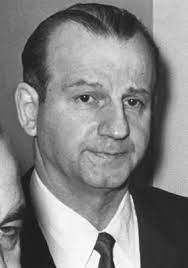
The events leading to Jack Ruby's conviction in 1964 began on November 22, 1963, when President John F. Kennedy was assassinated in Dallas, Texas. Two days later, Lee Harvey Oswald, the suspected assassin, was being transferred from the Dallas Police Department to the county jail when he was shot and killed by Jack Ruby, a local nightclub owner with reported ties to organized crime. The shocking murder of Oswald by Ruby, captured on live television, raised questions about a possible conspiracy and fueled speculation about Ruby's motives and connections.

Jack Ruby's trial for the murder of Lee Harvey Oswald was a highly publicized and controversial case that gripped the nation and intensified the already heightened emotions surrounding the Kennedy assassination. The trial, which took place in Dallas in 1964, was marked by intense media scrutiny, legal maneuvering, and public interest, as the prosecution sought to prove Ruby's guilt and the defense argued for leniency based on Ruby's mental state and alleged motives.

During the trial, Jack Ruby's defense team argued that Ruby had acted impulsively and out of a sense of patriotic duty to avenge President Kennedy's death and spare Jacqueline Kennedy the trauma of a trial. The defense also raised questions about Ruby's mental health and emotional state at the time of the shooting, suggesting that Ruby may have been suffering from a temporary loss of control or a delusional belief in his actions. Despite these arguments, the prosecution presented evidence of Ruby's premeditation, his history of violence, and his possible connections to organized crime as motives for the murder.

In March 1964, Jack Ruby was found guilty of the murder of Lee Harvey Oswald and sentenced to death by the electric chair. The verdict and sentencing of Ruby sparked a mix of reactions from the public, with some viewing Ruby as a heroic figure who had taken matters into his own hands to seek justice for President Kennedy, while others saw him as a dangerous criminal who had committed a cold-blooded murder in broad daylight. The trial and conviction of Ruby highlighted the complexities of justice, the influence of media coverage, and the enduring questions surrounding the Kennedy assassination and its aftermath.

In the years following his conviction, Jack Ruby's case continued to be the subject of speculation, conspiracy theories, and public fascination, as the mysteries and controversies surrounding the Kennedy assassination persisted. Ruby's death sentence was later overturned on appeal, and he was granted a new trial, but he died of lung cancer in 1967 before the retrial could take place. The legacy of Jack Ruby's conviction in 1964 remains a poignant reminder of the fragility of justice, the power of media sensationalism, and the enduring impact of one of the most tragic events in American history.