In the year 1920, the United States experienced a series of devastating tornado outbreaks that left a trail of destruction, death, and despair in their wake. Tornadoes, often referred to as nature's most violent storms, are characterized by swirling winds and intense funnel clouds that can cause immense damage to buildings, infrastructure, and communities. The tornado outbreaks of 1920 were particularly notable for their frequency, intensity, and impact on various regions of the country.

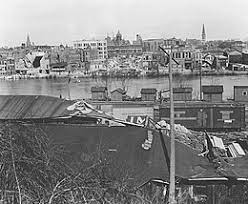
One of the most significant tornado outbreaks of 1920 occurred on March 28th in the states of Mississippi, Alabama, and Tennessee. This outbreak, known as the Palm Sunday Tornado Outbreak, produced a series of powerful tornadoes that caused widespread devastation and claimed the lives of hundreds of people. The tornadoes swept through towns and rural areas, leveling homes, businesses, and schools, and leaving survivors grappling with the aftermath of the disaster.

Another notable tornado outbreak in 1920 occurred in the Midwest and Great Plains regions in the spring and summer months. These tornadoes, fueled by warm, moist air from the Gulf of Mexico colliding with cool, dry air from the north, created ideal conditions for the formation of violent storms and tornadoes. The tornadoes tore through communities in states such as Kansas, Oklahoma, Nebraska, and Iowa, causing significant damage to crops, livestock, and property, and disrupting the lives of residents who were already struggling with economic challenges and social upheaval in the aftermath of World War I.

The 1920 tornado outbreaks highlighted the vulnerability of communities to the destructive power of nature and the need for improved forecasting, warning systems, and emergency response measures to mitigate the impact of tornadoes. In the early 20th century, meteorological science was still in its infancy, and the ability to predict tornadoes with precision and accuracy was limited. As a result, many communities were caught off guard by the sudden onset of tornadoes and lacked the necessary infrastructure and resources to respond effectively to the disaster.

The tornado outbreaks of 1920 also underscored the importance of community resilience, solidarity, and support in the face of natural disasters. In the aftermath of the tornadoes, residents came together to help their neighbors, rebuild their homes and businesses, and provide assistance to those who had lost everything in the storms. The spirit of cooperation, compassion, and determination exhibited by communities affected by the tornado outbreaks of 1920 served as a testament to the human capacity to overcome adversity and rebuild in the face of tragedy.

In the decades following the tornado outbreaks of 1920, advancements in meteorological science, technology, and public awareness have helped to improve the forecasting and tracking of tornadoes and enhance the ability of communities to prepare for and respond to severe weather events. The development of Doppler radar, storm tracking systems, and early warning sirens has enabled meteorologists and emergency responders to provide timely and accurate information to the public and help save lives during tornado outbreaks.