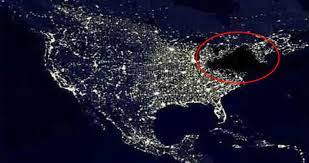
On August 14, 2003, North America experienced one of the largest and most widespread power outages in its history. The blackout, which lasted for several hours, affected millions of people across the northeastern and midwestern United States, as well as parts of Canada. This event, known as the 2003 North America Power Outage, had significant economic, social, and infrastructural consequences.

The power outage began in the early afternoon, when a series of failures occurred within the electricity grid. A combination of equipment malfunctions, human errors, and inadequate system monitoring led to a cascading effect, causing power plants to shut down and transmission lines to overload. As a result, over 50 million people found themselves without electricity.

The blackout had a profound impact on various sectors of society. Transportation systems ground to a halt, with subway systems, trains, and airports affected. Businesses, schools, and hospitals were forced to close or operate on backup generators. Traffic lights went dark, causing traffic congestion and safety concerns. People were stranded in elevators, and communication networks struggled to function.

The economic consequences of the power outage were significant. Estimates suggest that the blackout cost the affected regions billions of dollars in lost productivity and revenue. Businesses, particularly those in the hospitality and retail sectors, suffered from interrupted operations and reduced consumer spending. Manufacturing plants and factories had to halt production, leading to supply chain disruptions and economic losses.

The power outage also raised concerns about the vulnerability of the electrical grid and the need for improved infrastructure. The incident exposed weaknesses in the system's reliability and highlighted the need for better monitoring, maintenance, and coordination among power companies. The blackout prompted a reassessment of the grid's resilience and spurred efforts to invest in modernizing and upgrading the infrastructure.

In the aftermath of the power outage, investigations were conducted to determine the causes and identify ways to prevent similar incidents in the future. The findings led to the implementation of new regulations and standards aimed at enhancing the stability and reliability of the electrical grid. Measures were put in place to improve communication and coordination among power companies, government agencies, and emergency responders.

The 2003 North America Power Outage also demonstrated the resilience and resourcefulness of communities. People came together to assist one another, offering support, sharing resources, and helping those in need. Emergency responders, including police, fire departments, and medical personnel, worked tirelessly to ensure public safety and provide assistance.

This event served as a wake-up call for North America's power infrastructure and led to increased efforts to modernize and strengthen the electrical grid. It highlighted the importance of investing in renewable energy sources, decentralizing power generation, and implementing smart grid technologies to enhance the system's reliability and resilience.